
Spring Septic Maintenance: Get Your NC System Ready
Get your NC septic system ready for spring. Follow this seasonal maintenance checklist to prevent problems after winter and heavy rains.
Winter doesn't destroy most septic systems in North Carolina — but it sets the stage for spring to expose every weakness. Frozen ground thaws, saturating drain fields. Heavy March rains overwhelm soil that's already waterlogged. And that tank you haven't touched since last year? It's been working overtime while you weren't watching. Spring septic maintenance isn't optional if you want to avoid a soggy, foul-smelling yard and a repair bill that could top $10,000. Here's your NC septic spring care game plan — what to check, when to act, and how to get ahead of the rush.
Why Spring Is Critical for Septic Maintenance After Winter
Spring is when septic problems that built all winter finally show themselves. There's a reason septic service demand spikes 20–40% above the annual average between March and May — systems that seemed fine in January start showing stress the moment temperatures rise and rainfall picks up.
Here's what's happening underground:
- Soil saturation from spring thaw. Frozen ground doesn't absorb water. As it thaws, trapped moisture releases at once, flooding drain fields before the soil can recover.
- Heavy spring rainfall. NC averages 4–5 inches of rain per month in spring, with mountain and coastal regions often exceeding that. Saturated soil can't process effluent efficiently, causing backups and surface pooling.
- Winter compaction. Months of cold, wet conditions compact soil over your drain field. Compacted soil drains slower, reducing performance exactly when demand increases.
- Real estate season. Spring is peak time for NC home sales, and most closings require a septic inspection. If you're selling, your system needs to pass — not just function.
Homeowners who handle spring septic maintenance proactively avoid the emergency calls that dominate April and May.
Septic Spring Checklist: 8 Items NC Homeowners Should Tackle
Use this septic spring checklist as your spring septic maintenance action plan. Start in late February or early March — before the rush books up every septic company in your county.
1. Inspect Tank Lids, Risers, and Access Points
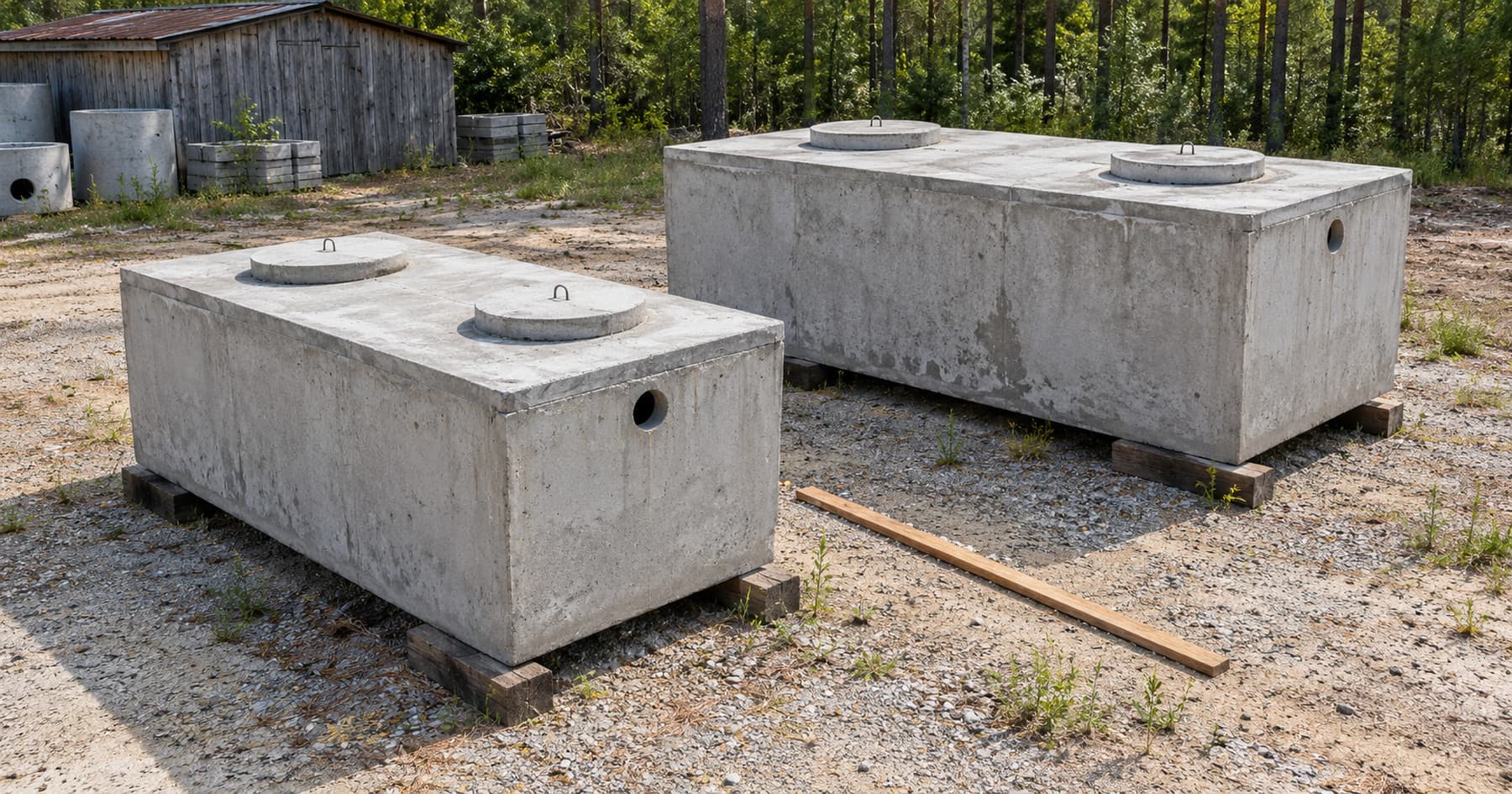
Winter freeze-thaw cycles can shift tank lids, crack risers, and create gaps where surface water enters your tank. Look for cracked or displaced concrete lids, riser seals that have pulled away, standing water pooling around access points, and soil erosion that has exposed tank components.
In NC's mountain counties — Watauga, Avery, Ashe — frost heave can physically shift tank lids and connecting pipes. Even a small gap lets rainwater flood your tank, diluting the bacterial environment and pushing solids toward the drain field.
2. Check the Drain Field for Surface Water
After the next heavy rain, walk your drain field area. You're looking for puddles over the drain field trenches, soft or spongy ground, patches of unusually green grass, and any sewage odor. Water that sits for more than 24 hours over the drain field signals the soil isn't absorbing effluent properly — one of the early signs your septic system is failing.
3. Schedule a Septic Tank Pumping
If your tank hasn't been pumped in three or more years, spring is the time. March is ideal — you beat the April-May rush when every company in NC is slammed with real estate inspections and emergency calls. A standard pumping runs $350–$550 and takes about an hour. The technician will check sludge and scum levels, inspect the effluent filter, and flag visible damage. Browse NC septic pumping companies to compare options and book early.
4. Clean or Replace the Effluent Filter
NC has required effluent filters since 1999. This filter catches solids before they reach your drain field — but it can clog over winter when bacterial activity slows and sludge builds faster. If your tank is being pumped, the technician should clean the filter as part of the service. A new filter costs $50–$100.
5. Verify Sump Pump and Downspout Routing
One of the most common septic mistakes in NC: routing a sump pump or roof downspout into the septic system. Every gallon of stormwater that enters your tank displaces effluent that hasn't been fully treated. During spring storms, a single sump pump can dump hundreds of gallons per hour into your system. Make sure your sump pump discharges to a dry well, surface drain, or daylight outlet — anywhere except the septic tank.
6. Inspect the Distribution Box
The distribution box (D-box) splits effluent evenly among drain field lines. Winter settling and frost can tilt the box, causing one line to receive most of the flow while others sit dry. An unbalanced D-box leads to localized overload and premature drain field failure. A septic technician can level it during a routine visit.
7. Test Indoor Plumbing for Leaks
A running toilet wastes 200+ gallons per day — all flowing into your septic tank. Do a simple dye test: drop food coloring in the toilet tank and wait 15 minutes. If color appears in the bowl without flushing, the flapper needs replacing. Fix dripping faucets too — these "minor" leaks add up fast when your system is already under spring stress.
8. Reduce Water Load During Heavy Rain
When the ground is saturated from spring storms, your drain field works at reduced capacity. Spread water-heavy activities across the week instead of doing six loads of laundry on Saturday. This simple habit reduces hydraulic overload — the #1 cause of temporary drain field failure in spring. Check our septic system maintenance checklist for a full year-round schedule.
Spring Septic Maintenance Timing: When to Schedule Pumping in NC
Timing matters more than most homeowners realize when it comes to spring septic maintenance. Here's when to book:
| Timing | Availability | Notes |
|---|---|---|
| Late Feb – Early March | Good availability | Best window — beat the rush, ground often accessible |
| Mid-March – April | Moderate — filling up | Real estate inspections flood the schedule |
| May | Limited — peak demand | Longer wait times, possible rush fees |
Standard pumping in NC costs $350–$550 for a 1,000–1,500 gallon tank. Buried lids without risers add $50–$150 for digging. Emergency pumping during peak spring weeks can cost 25–50% more than a scheduled appointment. If you're also selling your home, schedule a septic inspection at the same time — many companies offer a bundled discount.
If you're unsure of the right pumping interval, our guide on how often to pump your septic tank in NC breaks it down by household size and tank capacity.
Spring Drain Field Check — What to Look For
Your drain field takes the hardest hit during the winter-to-spring transition. A thorough drain field evaluation is a critical part of spring septic maintenance. Here's a systematic approach:
Visual Inspection After Rain
Wait 12–24 hours after moderate-to-heavy rain and walk the drain field. Healthy fields dry at roughly the same rate as the surrounding yard. Warning signs include linear wet strips that follow the trench layout, bright green grass stripes in an otherwise dormant lawn, spongy ground, and any rotten-egg or sewage odor.
Surface Runoff Patterns
Check whether surface water from uphill areas, driveways, or gutters is flowing across or pooling on the drain field. Even a healthy field can't do its job while receiving hundreds of extra gallons of surface water during every storm. Grading changes or diversion berms may be needed.
When to Call a Professional
If you find persistent standing water, surfacing effluent, or strong odors, don't wait. Early intervention — sometimes as simple as resting the field and rerouting flow — costs far less than a full drain field replacement at $5,000–$15,000. Find a qualified inspector in your NC county to assess the situation.
Regional Spring Concerns Across NC
NC spans from the Appalachian Mountains to the Outer Banks, and spring hits each region differently. Your NC septic spring care approach should match where you live.
Mountain Region (Watauga, Buncombe, Henderson, Avery)
- Frost heave. Repeated freeze-thaw cycles shift tank lids, crack pipe connections, and tilt distribution boxes. Inspect all near-surface components for movement.
- Snowmelt saturation. Ground stays saturated far longer than other regions. Drain fields may not reach full capacity until late April.
- Shallow soil over bedrock. Many mountain properties use mound or drip systems with mechanical components that need post-winter verification.
Coastal Region (Carteret, Onslow, New Hanover, Brunswick)
- High water tables. Spring rains push the water table within inches of the drain field. When groundwater rises into the trenches, the system stops working until levels drop.
- Flooding risk. Spring nor'easters can temporarily submerge drain fields. Have your system inspected after any flooding event before resuming normal use.
- Sandy soil + high water table. Fast drainage means less treatment time for effluent, raising contamination risk for nearby wells.
Piedmont Region (Wake, Guilford, Mecklenburg, Durham)
- Red clay soil. Piedmont clay drains very slowly and becomes nearly impermeable when saturated. Spring rains can turn functional drain fields into soggy messes for weeks.
- Clay expansion and contraction. Alternating wet and dry spring weather causes clay to shift around tanks and pipes, stressing connections.
- Early root growth. Piedmont springs warm up first, so check for woody vegetation encroaching on the drain field before root growth accelerates in April.
Frequently Asked Questions
When should I schedule spring septic maintenance in NC?
Late February through early March is the ideal window. Septic companies in NC see a 20–40% increase in demand between March and May, so early scheduling means better availability and no rush fees. If you're past March, call immediately — even a May appointment beats skipping spring septic maintenance entirely. The key is getting on a schedule before the weather forces your hand.
Can I do a spring septic inspection myself?
You can and should do a basic visual check — looking for standing water over the drain field, verifying lids and risers are intact, confirming sump pumps aren't draining into the septic, and testing toilets for leaks. But a professional inspection is needed to evaluate sludge levels, check the effluent filter, assess distribution box alignment, and determine whether the drain field is performing. NC requires professional inspections for most real estate transactions ($300–$500).
What happens if I skip septic maintenance after winter?
You're gambling. Skipping spring septic maintenance means winter stress — frost heave, soil compaction, reduced bacterial activity — goes unchecked, and spring rains amplify those issues into full-blown problems. Skipping a spring check means you might not discover a shifted tank lid, a clogged effluent filter, or early drain field saturation until it becomes an emergency. Emergency repairs average $1,500–$5,000, and drain field replacement runs $5,000–$15,000. A spring pumping and inspection for $500–$800 is cheap insurance.
Does spring rain affect septic system performance?
Yes — significantly. When soil around your drain field becomes saturated from spring rainfall, it can't absorb effluent from your septic tank. Effluent pools in the drain field trenches, backs up toward the tank, and in severe cases, surfaces in your yard. NC's spring rainfall — averaging 4–5 inches monthly — is enough to temporarily reduce drain field performance even in healthy systems. Reduce indoor water use during heavy rain periods and ensure surface water is directed away from the field.
Should I add septic treatments or additives in spring?
No. Despite marketing claims that spring is the time to "jump-start" your septic bacteria, the EPA and NC's Department of Health and Human Services say commercial additives are unnecessary. Your household wastewater already contains all the bacteria your tank needs. Some chemical additives can damage the bacterial balance or push solids into the drain field. Your money goes further on a real spring septic maintenance visit with a licensed professional than a $30 bottle of enzymes from the hardware store.
Schedule Your Spring Septic Service in NC
Spring septic maintenance is the single most effective thing NC homeowners can do to prevent mid-season emergencies. The window between late February and early March is your best opportunity — before schedules fill, prices peak, and spring storms test every weakness in your system.
Find a licensed, reviewed septic professional in your area today. Browse our directory of NC septic pumping companies or septic inspection providers to compare services, coverage areas, and contact information. Getting ahead of spring means your system handles whatever NC weather throws at it — and you spend the season enjoying your yard instead of worrying about what's buried beneath it.
Find North Carolina providers
Connect with local professionals in North Carolina for your septic or well water needs.
Get free quotesRelated reading
 educational
How Does a Septic System Work? A Plain-English Guide
How does a septic system work? A plain-English guide to septic tanks, drain fields, and the biological process that treats your wastewater.
 state-guide
Winterize Septic Virginia: Protect Your System
Winterize septic virginia guide to protect your system from freezing. Insulation tips, pipe protection, and cold-weather maintenance for VA.
 state-guide
Septic Tank Size Guide: What Size Do You Need in NC?
What size septic tank do you need in NC? Use our guide to find the right tank capacity based on bedrooms, household size, and NC regulations.