 city-guide
Greenville County Septic Rules and Regulations
Greenville county septic rules require a 1.5-acre minimum lot, SCDES permits, and site evaluations in Piedmont clay soils.
10 min read
County GuideRegulationsGreenville County
Expert articles and practical guides for homeowners on septic system maintenance, well water quality, costs, and regulations.
city-guideGreenville county septic rules require a 1.5-acre minimum lot, SCDES permits, and site evaluations in Piedmont clay soils.
 city-guide
Berkeley county septic systems face Lowcountry challenges including high water tables and rapid Charleston metro growth. Permits, costs, and wells.
 city-guide
York county septic systems in the Charlotte metro face rapid growth and Piedmont clay soils. Permits, costs, and Rock Hill services.
 city-guide
Anderson county septic systems face Piedmont red clay challenges near Lake Hartwell. Permits, costs, well water quality, and local SCDES requirements explained.
 city-guide
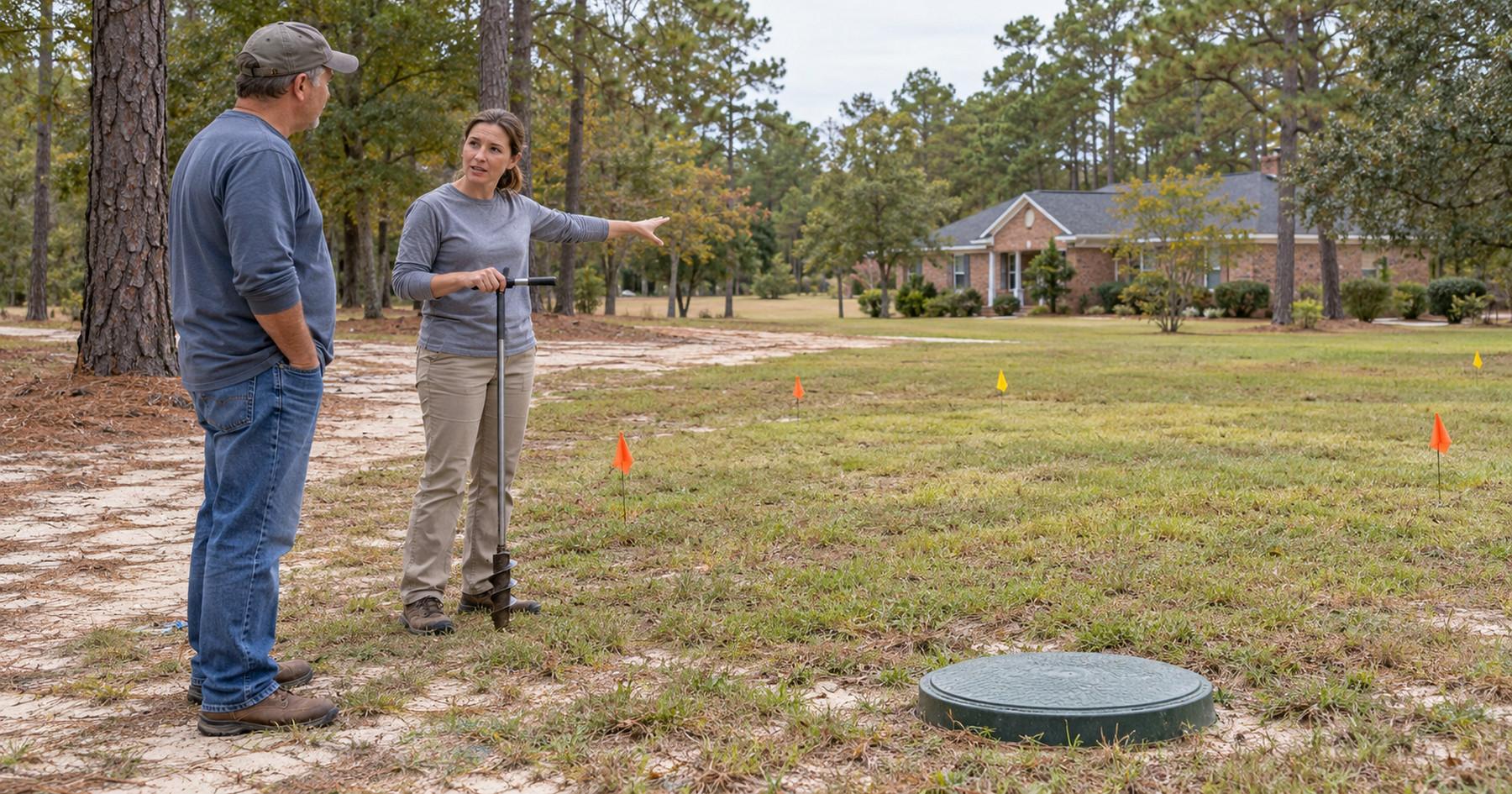
Lexington county septic systems benefit from sandy Sandhills soils near Lake Murray. Permits, costs, radium risks in well water, and SCDES requirements covered.
 city-guide
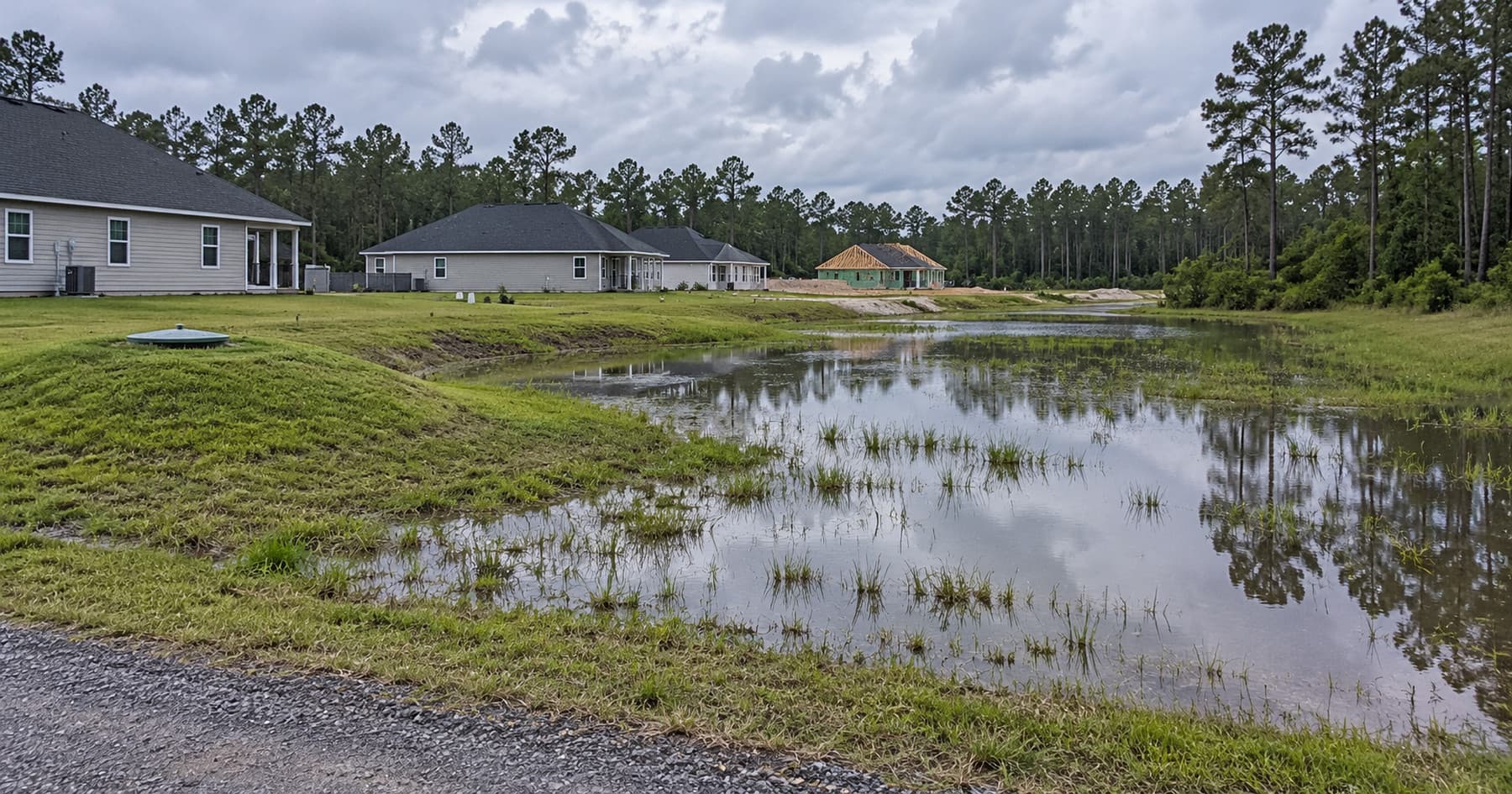
Horry county septic systems face flooding, rapid growth, and high water tables near Myrtle Beach. Challenges and solutions covered.
 city-guide
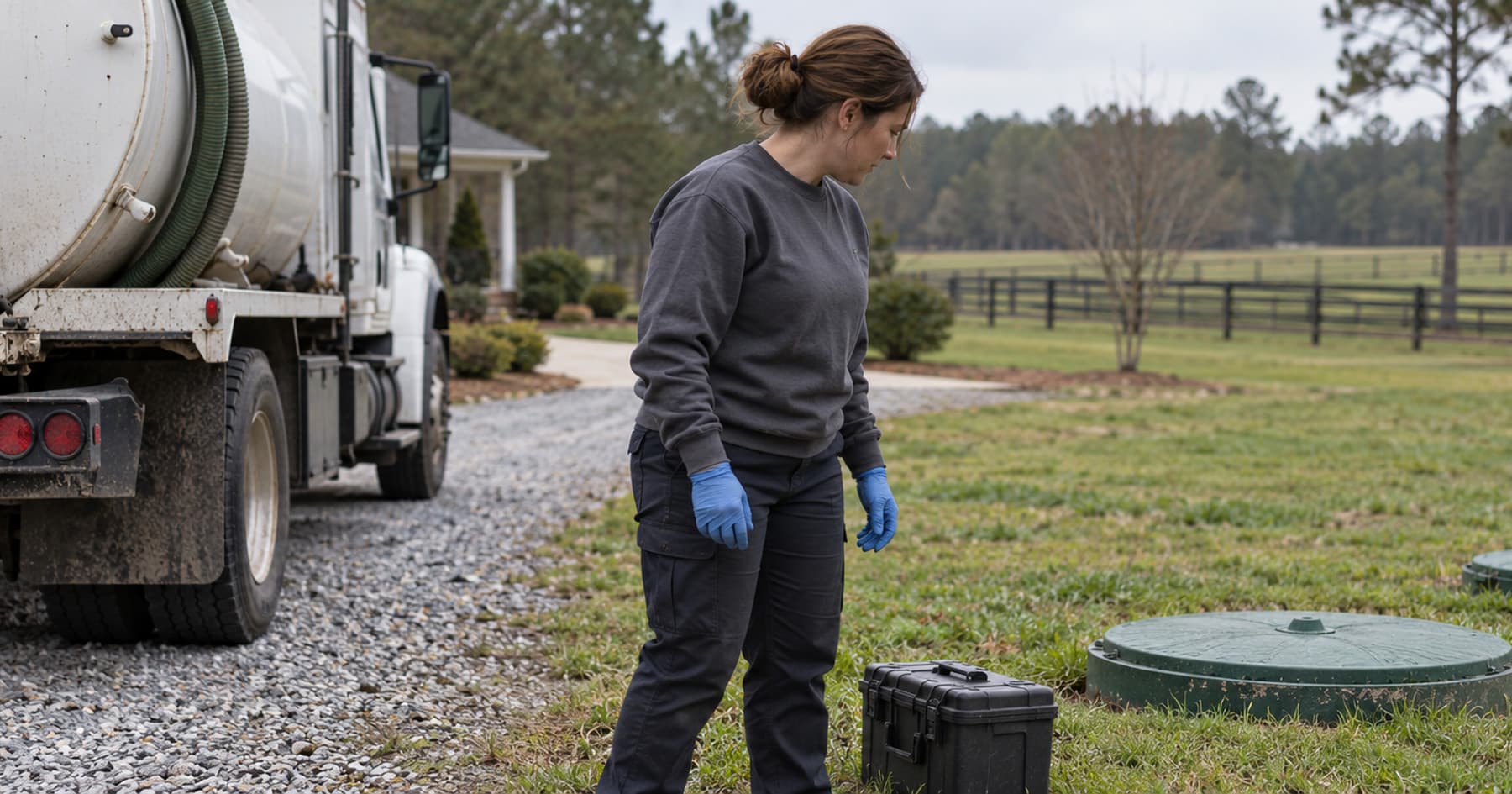
Aiken county septic systems benefit from sandy Sandhills soils but face radium risks in well water. Costs, permits, and SRS concerns.
 city-guide
Richland county septic systems face unique soil challenges across the Fall Line. Guide to permits, costs, and well water quality.
 city-guide
Forsyth County GA septic and well guide covers permits, costs, and soil challenges in Georgia's fastest-growing county. Updated for 2026.
 city-guide
Cherokee County GA septic and well guide for 2026. Permits, costs, Lake Allatoona concerns, and contractor tips for this fast-growing county.