Septic Installation · Florida

Septic Installation services in Florida

529 directory listings across 60 counties

New septic system installation requires proper permitting, soil evaluation, and engineering design to meet state regulations. Licensed installers work with county health departments to ensure systems are sized and sited correctly for each property's unique conditions.

The installation process begins with a site evaluation and soil analysis to determine the best system type — conventional, low-pressure pipe, drip irrigation, or advanced pretreatment systems. Regional terrain variations mean mountain properties face different challenges than coastal installations.

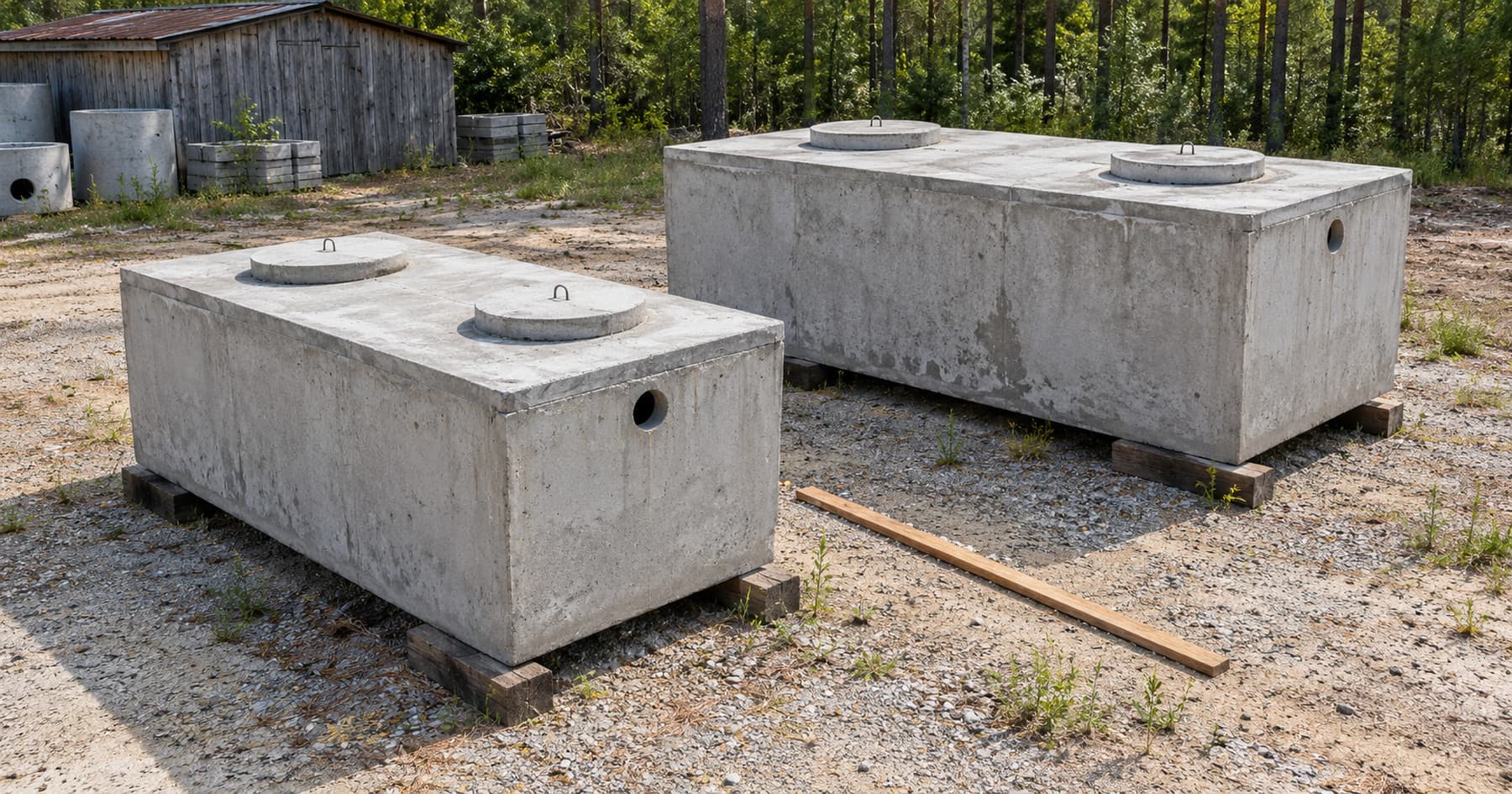
Costs vary significantly based on system type, soil conditions, and site accessibility. Most residential installations include a tank, distribution box, and drain field, with advanced systems required where soil or space limitations exist.

Find septic installation by county

Why choose a licensed provider?

Florida requires licensing for septic system contractors and well drillers to protect public health and the environment. A listing does not establish that a business meets those requirements. Confirm current licensing, insurance, and scope of work with the business and issuing authority before hiring.

Septic Installation in Florida — common questions

What's involved in septic installation?

New system install is a one-time job. A properly maintained system lasts 25–30 years. A licensed septic installation in Florida will walk you through permitting, site evaluation, and the specific work your property needs.

Do I need a licensed pro for septic installation?

Yes. Installation, drilling, and major repair work requires a state license. Confirm current licensing and insurance with the business and issuing authority.

Related articles

Other services

Need septic installation in Florida?

Get connected with local professionals. Request a free, no-obligation quote.

Find providers