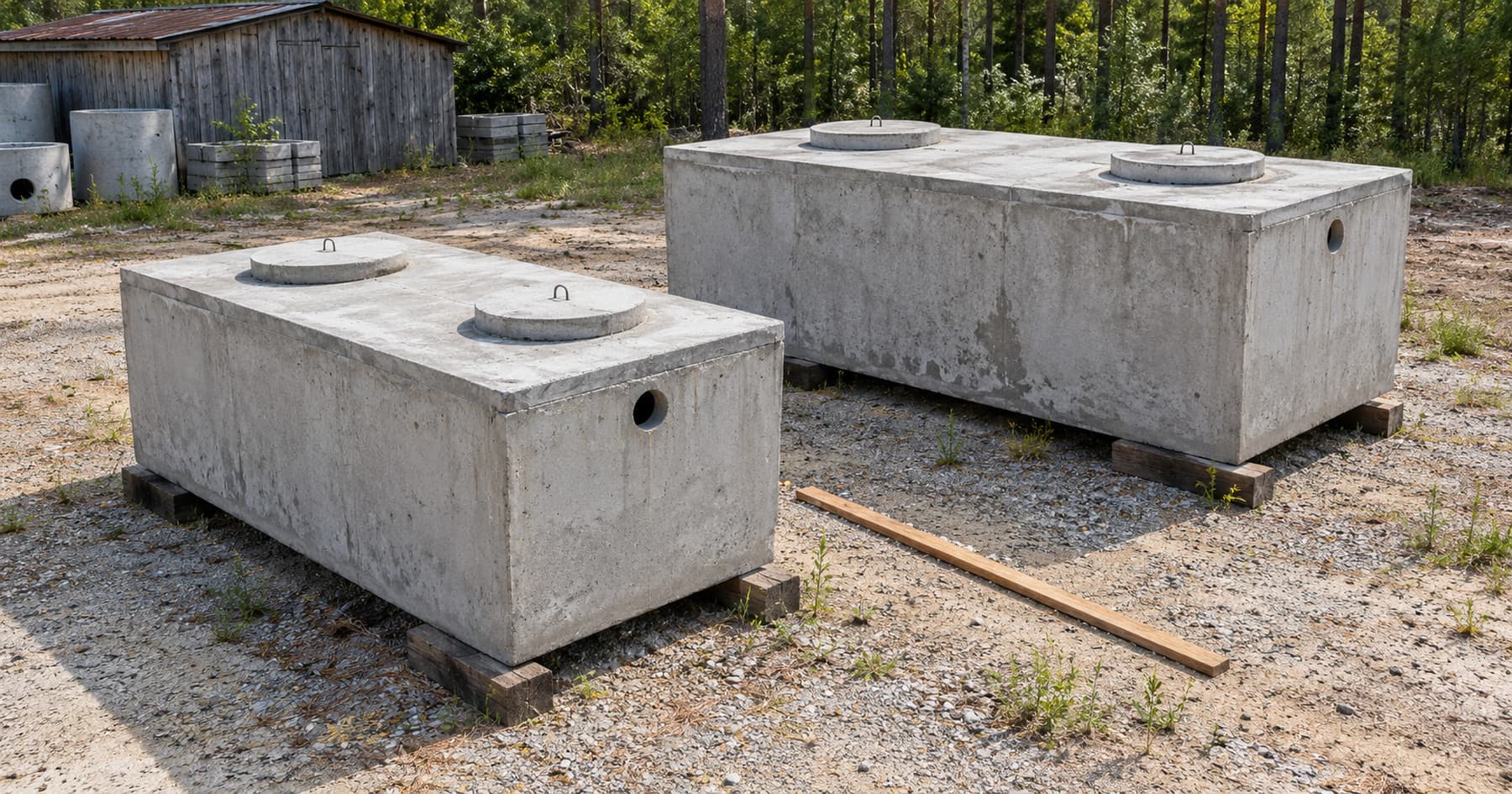
New septic system installation requires proper permitting, soil evaluation, and engineering design to meet state regulations. Licensed installers work with county health departments to ensure systems are sized and sited correctly for each property's unique conditions.
The installation process begins with a site evaluation and soil analysis to determine the best system type — conventional, low-pressure pipe, drip irrigation, or advanced pretreatment systems. Regional terrain variations mean mountain properties face different challenges than coastal installations.
Costs vary significantly based on system type, soil conditions, and site accessibility. Most residential installations include a tank, distribution box, and drain field, with advanced systems required where soil or space limitations exist.
Septic Installation in Virginia — FAQ
How much does septic installation cost in Virginia?
- Septic Installation costs in Virginia vary by location, system size, and complexity. Most providers offer free estimates, so you can compare pricing from multiple licensed professionals before deciding.
How do I find a licensed septic installation provider in Virginia?
- Browse our directory of licensed septic installation providers across all 133 Virginia counties. Every listed company is verified against state licensing records.
Does Virginia require a license for septic installation?
- Virginia requires contractors performing septic installation to hold valid state licenses. Always verify your provider's credentials — all professionals in our directory are checked against state licensing records.
How often do I need septic installation in Virginia?
- The recommended frequency depends on your system type and household size. Most professionals suggest scheduling septic installation every 3–5 years, though regular inspections can help determine the right schedule for your property.
Need Septic Installation in Virginia?
Get connected with licensed professionals in your area. Request a free quote today.
Find Providers