
Aerobic vs Conventional Septic: Which Is Right?
Aerobic vs conventional septic — compare costs, maintenance, lifespan, and treatment quality to find the right system for your property.
Two Systems, One Job: How Aerobic and Conventional Septic Work
Your septic system does the same thing a municipal sewer plant does — it treats wastewater so it can safely return to the ground. But aerobic vs conventional septic systems get there in very different ways, and the right choice depends on your property, your soil, and your budget.
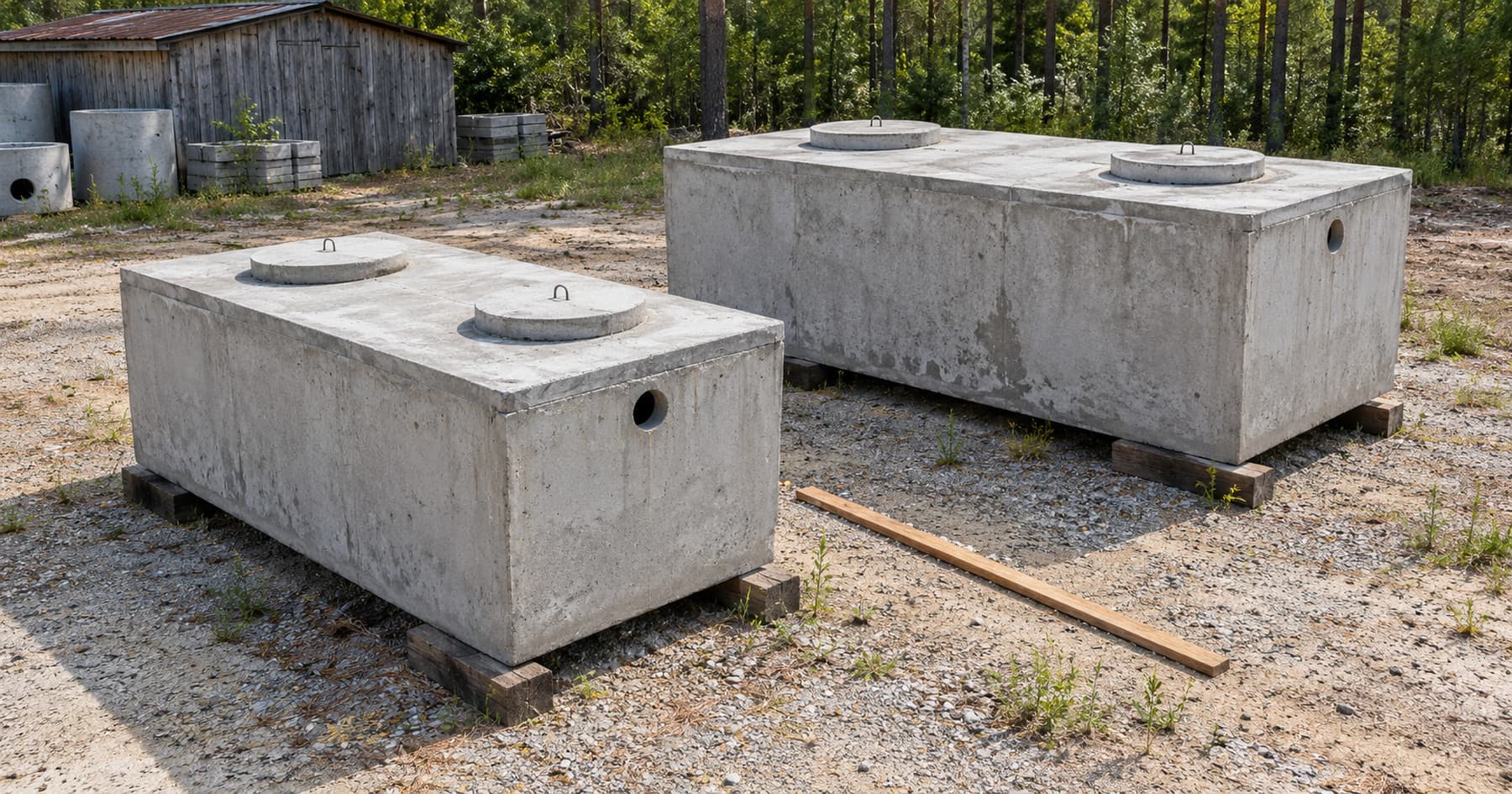
A conventional septic system is the workhorse of rural America. Wastewater flows from your house into a buried tank, where solids settle to the bottom and lighter material floats to the top. The liquid in the middle — called effluent — moves passively into a drain field, where soil bacteria finish breaking down contaminants. There are no moving parts, no electricity, and very little that can go wrong mechanically. That simplicity is its greatest strength.
An aerobic treatment unit (ATU) takes a more active approach. These systems inject oxygen into the treatment tank using a compressor or blower, which feeds oxygen-loving bacteria. Those bacteria break down waste much faster and more thoroughly than the anaerobic (oxygen-free) bacteria in a conventional tank. The result is cleaner effluent that can be safely dispersed in situations where a standard drain field would fail.
Think of it this way: a conventional system is like a slow compost pile. An aerobic system is like a high-powered composting machine. Both produce the same end result — but one does it faster and in a smaller footprint.
When Each System Makes Sense
Choosing between aerobic vs conventional septic isn't just a preference — in many cases, your soil and property dictate the answer.
Conventional systems work best when:
- Your property has adequate space for a full-size drain field (typically 400–1,200 square feet)
- Soil percolation rates are within normal range — sandy loam to loamy soil
- The water table sits at least 2–4 feet below the drain field
- You want the lowest possible maintenance burden
- Budget is a primary concern
Aerobic systems are typically required or recommended when:
- Soil won't support a conventional drain field — clay, hardpan, or shallow bedrock
- The lot is too small for a standard drain field setback
- High water tables make gravity-fed systems impractical
- The property is near sensitive waterways, lakes, or coastal areas
- Local regulations require advanced treatment (common in environmentally sensitive zones)
In some counties, the decision is made for you. When a soil evaluation shows your land can't handle a conventional drain field, an aerobic system — or another advanced alternative — becomes the only permitted option. If you're building new or replacing a failed system, your installer will determine the options based on a soil morphology evaluation or perc test, depending on your state's requirements.
Cost Comparison: Aerobic vs Conventional Septic Systems
Cost is often the first question homeowners ask, and the gap between these two systems is meaningful. Here's what you can expect nationally:
| Category | Conventional System | Aerobic System |
|---|---|---|
| Installation cost | $3,000–$8,000 | $10,000–$20,000+ |
| Annual maintenance | $200–$500 (pumping every 3–5 yrs) | $200–$600/year (inspections + parts) |
| Electricity cost | $0 | $50–$150/year |
| Major repair/replacement | $5,000–$15,000 (drain field) | $1,500–$5,000 (compressor, media) |
| Typical lifespan | 25–40+ years | 15–25 years (mechanical parts shorter) |
| Permit fees | $200–$600 | $300–$1,000 |
The upfront cost difference is significant. A conventional system for a 3-bedroom home typically runs $5,000 to $7,500 installed, while a comparable aerobic system often lands between $12,000 and $18,000. That said, if your soil conditions require an aerobic system, the alternative isn't a cheaper conventional install — it's often a mound system or engineered solution that can cost just as much or more.
Over a 20-year ownership period, ongoing costs tend to even out somewhat. Conventional systems cost less each year but can hit you with a massive drain field replacement bill ($10,000–$30,000+) if the field fails. Aerobic systems have steady annual costs but the mechanical components — compressors, blowers, and diffusers — need periodic replacement, typically every 7–10 years.
Maintenance: What Each System Demands
This is where the aerobic septic system pros cons conversation gets real. Maintenance requirements are fundamentally different between these two system types, and they affect your day-to-day life differently.
Conventional System Maintenance
A conventional septic system is about as low-maintenance as a major home system can be. Here's the full list:
- Pumping every 3–5 years ($300–$600 per visit) — a septic truck comes, pumps out the accumulated solids, and you're done until next time
- Visual inspections — check for wet spots over the drain field, slow drains, or odors
- Water conservation habits — avoid overloading the system with excessive water use
- Protect the drain field — no driving, building, or planting deep-rooted trees over it
That's genuinely it. No electricity, no mechanical parts, no service contracts. For homeowners who want a set-it-and-forget-it system, conventional is hard to beat.
Aerobic System Maintenance
Aerobic systems are more like a small treatment plant than a passive tank. They require:
- Mandatory inspections — most states require inspections 2–4 times per year, often through a licensed service contract ($150–$300 per visit)
- Compressor/blower monitoring — the air pump runs 24/7 and will eventually wear out (typical replacement every 5–10 years, $200–$600 for the unit)
- Chlorine or UV disinfection maintenance — many aerobic systems include a disinfection stage. Chlorine tablets need regular replacement; UV bulbs need annual swap
- Alarm systems — aerobic units have alarms that alert you to mechanical failures. When that alarm goes off, you need a technician promptly
- Regular pumping — still required, though the schedule may differ (usually every 3–5 years, same as conventional)
The service contract requirement is the big difference. In many states, maintaining an active service agreement is a condition of your operating permit. Let that contract lapse, and you could face fines or permit issues when you sell the home.
Performance and Treatment Quality
If you're comparing conventional vs aerobic septic purely on treatment quality, aerobic wins by a wide margin.
A conventional system removes about 30–40% of biological oxygen demand (BOD) and total suspended solids (TSS) from wastewater. The drain field does most of the remaining treatment through soil filtration.
An aerobic treatment unit typically removes 85–98% of BOD and TSS before the effluent ever reaches the dispersal area. That's comparable to a small municipal wastewater plant.
Why does this matter practically?
- Environmental protection — aerobic systems produce dramatically cleaner effluent, which matters near lakes, streams, and coastal waters
- Smaller dispersal area — because the effluent is cleaner, it requires less soil treatment. Aerobic systems can use smaller spray fields or drip irrigation instead of large drain fields
- Works in poor soil — clay soil, shallow rock, and high water tables that would doom a conventional drain field can handle aerobic effluent because it's already been thoroughly treated
- Surface discharge option — in some jurisdictions, aerobic systems can discharge treated effluent to the surface (spray irrigation), which isn't possible with conventional systems
Pros and Cons at a Glance
| Conventional Septic | Aerobic Septic | |
|---|---|---|
| Upfront cost | Lower ($3K–$8K) | Higher ($10K–$20K+) |
| Maintenance effort | Minimal (pump every 3–5 yrs) | Ongoing (2–4 inspections/yr + parts) |
| Electricity required | No | Yes (runs 24/7) |
| Treatment quality | Moderate (30–40% BOD removal) | High (85–98% BOD removal) |
| Space required | Large drain field needed | Compact footprint |
| Soil flexibility | Needs suitable soil | Works in poor/marginal soil |
| Lifespan | 25–40+ years | 15–25 years (mechanical parts shorter) |
| Noise | Silent | Faint hum from compressor |
| Power outage risk | None | Treatment stops without power |
| Resale impact | Buyers are familiar with them | Some buyers need education |
A Decision Framework: Which System Fits Your Situation?
Rather than recommending one system over the other, here's how to think through the decision based on what actually drives it.
Start With Your Soil
If a site evaluation shows your soil can support a conventional drain field, a conventional system is almost always the smarter financial choice. You'll spend less upfront, less on maintenance, and the system will likely outlast you.
If your soil evaluation comes back showing poor percolation, high water table, or shallow bedrock, an aerobic system isn't just recommended — it may be your only option. Don't fight this. An aerobic system designed for your conditions will outperform a conventional system that's fighting bad soil every day.
Consider Your Long-Term Plans
Planning to live in the home for 20+ years? A conventional system's low maintenance and long lifespan make it the clear favorite — if your site allows it.
Building on a challenging lot where you plan to stay? An aerobic system's ability to work in tough soil conditions may save you from more expensive engineered alternatives. Budget for the ongoing maintenance from day one.
Factor in Local Regulations
Some counties and municipalities mandate aerobic systems in environmentally sensitive areas, regardless of soil conditions. Near coastal waters, lakes, watersheds, or public water supplies, advanced treatment may be the only permitted option. Your local health department or septic installation contractor can tell you what's allowed on your specific parcel.
Get Multiple Professional Opinions
Don't rely on a single installer's recommendation. Get quotes from at least three licensed septic installation contractors and ask each one: "Given my soil evaluation, what are my permitted options, and what do you recommend?" If all three say aerobic, that's your answer. If there's disagreement, dig into the specifics of why.
Frequently Asked Questions
Can I switch from a conventional to an aerobic septic system?
Yes, but it's essentially a new installation. You'll need a new site evaluation, new permits, and a licensed installer to design and build the aerobic system. The existing tank may sometimes be repurposed as a pretreatment chamber, which can save some cost. Expect to pay $10,000 to $20,000+ depending on your site conditions and local requirements.
How long does an aerobic septic system last compared to conventional?
The tank and structural components of an aerobic system can last 20–30 years. However, the mechanical parts — compressor, blower, diffusers, and control panel — typically need replacement every 7–10 years. A conventional system's tank lasts 25–40+ years, and the drain field can last 20–30 years with proper care. Overall, conventional systems tend to last longer with fewer component replacements.
What happens to an aerobic system during a power outage?
When power goes out, the compressor stops and the aerobic bacteria begin to die off within 4–8 hours. Short outages (under 24 hours) usually aren't a problem — the bacteria recover once power returns. Extended outages can cause the system to temporarily function like a conventional septic tank, producing lower-quality effluent. If you live in an area with frequent power outages, consider a backup generator for the system.
Do aerobic systems smell worse than conventional septic?
Actually, the opposite is true when working properly. A well-maintained aerobic system produces less odor than a conventional tank because the aerobic bacteria break down waste more completely. If an aerobic system starts producing strong odors, that's usually a sign the compressor has failed and the system has gone anaerobic — a signal to call your service provider immediately.
Are there different considerations for aerobic systems in cold climates?
Cold weather does affect aerobic systems more than conventional ones. The compressor and mechanical parts can be stressed by freezing temperatures, and bacterial activity slows in cold conditions. Most modern aerobic systems are insulated and designed for cold climates, but extended deep freezes can reduce treatment efficiency. Conventional systems, being entirely underground and passive, are naturally insulated by the soil and generally handle cold weather better.
Find the Right Septic Installer for Your Property
Whether you end up with a conventional system or an aerobic treatment unit, the quality of the installation matters more than the system type. A well-installed conventional system will outperform a poorly installed aerobic unit every time.
Use our directory to find licensed septic installation contractors who can evaluate your site and walk you through your options. For properties that need advanced treatment, look for installers with specific aerobic septic system experience — the installation and maintenance requirements are specialized enough that general septic contractors may not have the right expertise.
Find local service providers
Connect with local professionals near you.
Related reading
 buyers-guide
Buying Home Septic System Virginia: HB 2671 Guide
Buying home septic system virginia? HB 2671 requires inspections. What buyers must check, costs, and red flags to watch.
 state-guide
Septic Tank Size Guide: What Size Do You Need in NC?
What size septic tank do you need in NC? Use our guide to find the right tank capacity based on bedrooms, household size, and NC regulations.
 cost-guide
Septic Installation Cost South Carolina
Septic installation cost south carolina ranges from $4,000 to $30,000. Full 2026 breakdown by system type, region, and lot factors.