Septic Installation Services

3,413 directory listings across 668 counties

New septic system installation requires proper permitting, soil evaluation, and engineering design to meet state regulations. Licensed installers work with county health departments to ensure systems are sized and sited correctly for each property's unique conditions.

The installation process begins with a site evaluation and soil analysis to determine the best system type — conventional, low-pressure pipe, drip irrigation, or advanced pretreatment systems. Regional terrain variations mean mountain properties face different challenges than coastal installations.

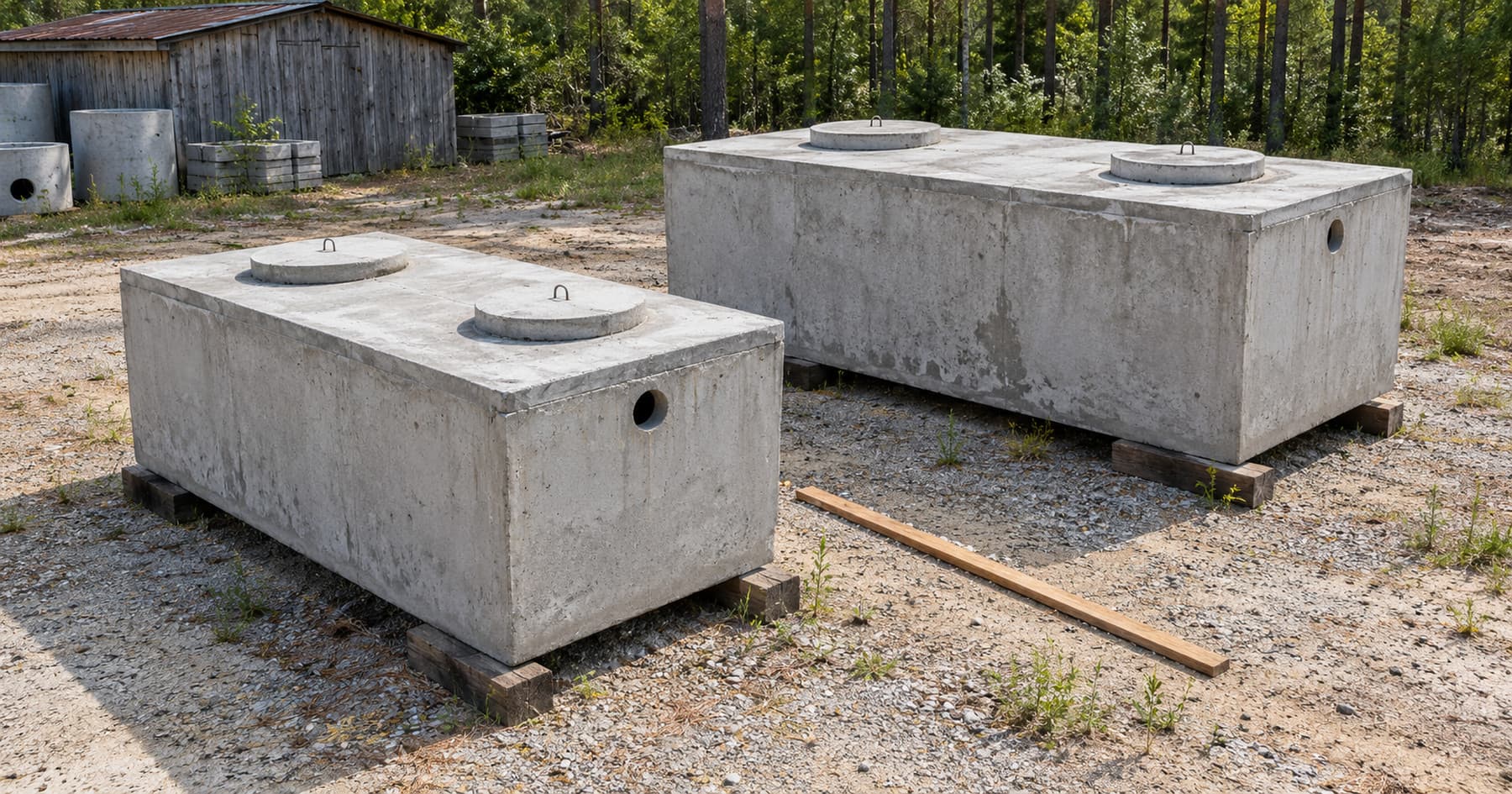
Costs vary significantly based on system type, soil conditions, and site accessibility. Most residential installations include a tank, distribution box, and drain field, with advanced systems required where soil or space limitations exist.

Browse Septic Installation by State

Find Septic Installation by Location

North Carolina

91 counties

Pennsylvania

47 counties

Michigan

62 counties

Georgia

73 counties

South Carolina

46 counties

Virginia

100 counties

Florida

60 counties

Texas

103 counties

Minnesota

86 counties

Related Articles

Septic Installation — Frequently Asked Questions

How much does a new septic system installation cost?

A conventional system typically runs $5,000–$15,000, while advanced or aerobic systems required on difficult sites can run $15,000–$30,000+. Soil conditions, system type, and permitting fees drive most of the variation.

What's involved in installing a septic system?

Installation starts with a soil evaluation and site design, followed by county permitting, excavation, and setting the tank, distribution box, and drain field. Most installers also handle final inspection sign-off.

Do I need a permit to install a septic system?

Yes. Nearly every state requires a permit, an approved design based on a soil evaluation, and a final inspection before a new system can be used. Your installer typically pulls the permit as part of the job.

How long does a septic system last?

A properly installed and maintained conventional system typically lasts 25–30 years. Lifespan depends on soil conditions, how well the system is maintained, and whether it's protected from heavy vehicle traffic or overloading.

How do I choose a septic installation contractor?

Verify the contractor's state license and county experience, ask to see the soil evaluation and design before work starts, and get a written estimate that itemizes tank, drain field, and permitting costs. Installers here are checked against state records.

Why Choose a Licensed Provider?

Most states require licensing for septic system contractors and well drillers to protect public health and the environment. Ask the business and issuing authority to confirm current licensing, insurance, and the permitted scope of work before hiring.

Other Services

Need Septic Installation?

Get connected with local professionals in your area. Request a free quote today.

Get free quotes