 state-guide
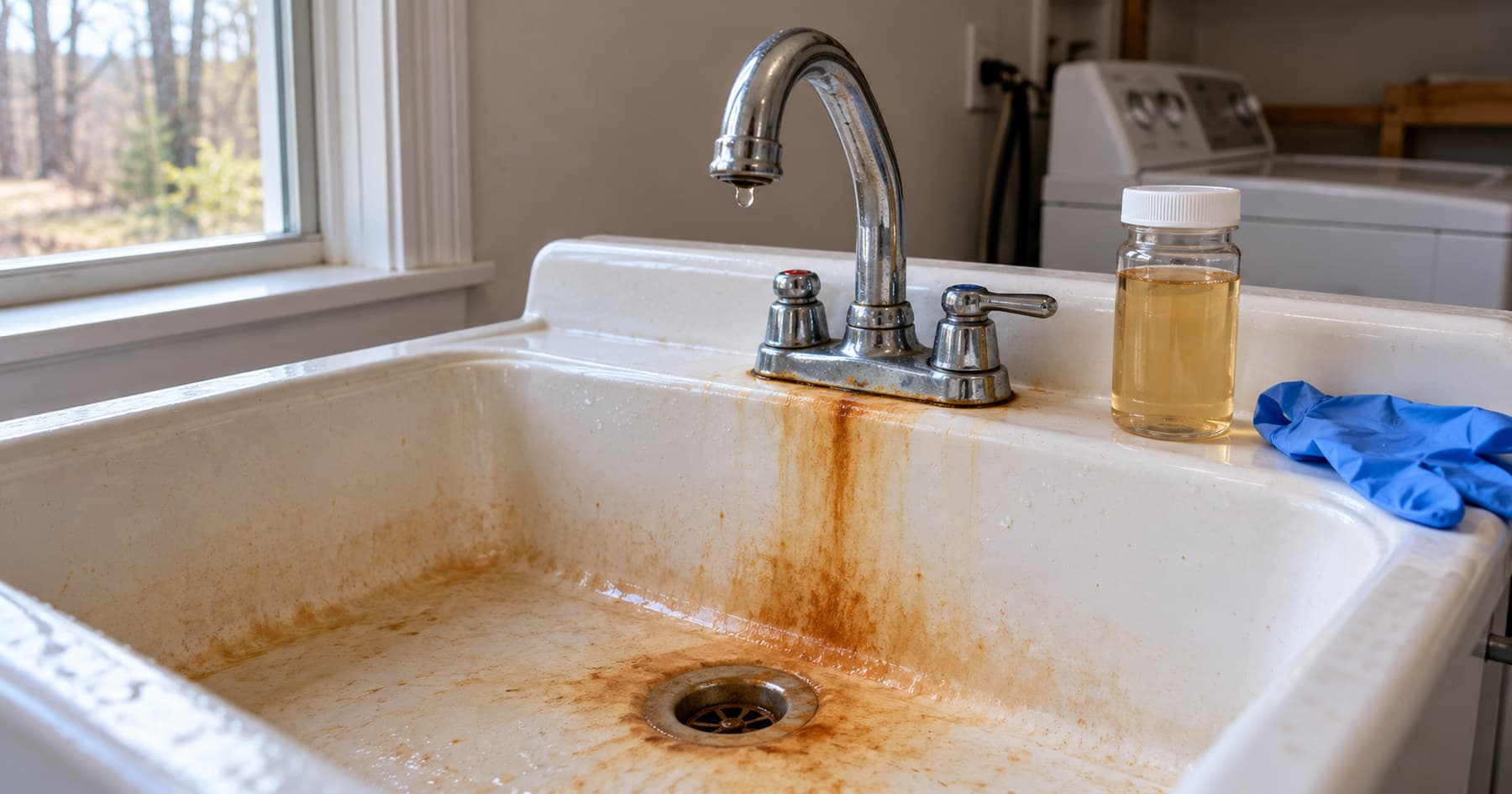
Virginia Iron in Well Water: Causes & Treatment
Virginia iron in well water causes, health effects, and treatment options. Regional iron levels, filter types, and costs for VA well owners.
8 min read
Well WaterWater TreatmentIron
1,045 directory listings across 462 counties
Water treatment systems address quality issues common in private well water, including hardness, iron staining, sulfur odor, low pH, and bacterial contamination. The right treatment solution depends on your specific water chemistry, which should be determined through comprehensive testing.
Common residential treatment systems include water softeners for hardness and iron, sediment filters, carbon filters for taste and odor, UV disinfection for bacteria, and reverse osmosis for drinking water purification. Whole-house systems treat all water entering the home.
Professional water treatment companies design systems based on your water test results and household needs. They handle installation, provide startup training, and offer ongoing maintenance to ensure your system continues performing effectively.
state-guideVirginia iron in well water causes, health effects, and treatment options. Regional iron levels, filter types, and costs for VA well owners.
 state-guide
Choose the right PFAS water filter michigan homes need to remove forever chemicals. Compare GAC, ion exchange, and reverse osmosis systems with costs.
 state-guide
PFAS virginia well water testing and treatment guide. EPA limits, military base contamination zones, and filter options for VA homeowners.
A basic water softener installs for $1,000–$2,500. Whole-house systems combining filtration, UV disinfection, or reverse osmosis can run $2,500–$6,000+ depending on the number of stages and household water volume.
Filter cartridges typically need replacing every 6–12 months, and softener salt needs refilling every 4–8 weeks. UV bulbs are usually replaced annually. Your provider can set a maintenance schedule matched to your system.
Installers first review your water test results, then size and design a system — softener, filter, UV, or a combination — and tie it into your home's main water line, typically completing the job in a single day.
Yes. The right treatment depends entirely on what's in your water — hardness, iron, bacteria, or PFAS each require a different solution. A reputable provider will test or review recent results before recommending equipment.
Ask for a treatment plan tied to actual test results rather than a generic package, confirm equipment warranties, and check that installation and future service are both covered. Providers here are checked against state licensing records.
Most states require licensing for septic system contractors and well drillers to protect public health and the environment. Ask the business and issuing authority to confirm current licensing, insurance, and the permitted scope of work before hiring.
Get connected with local professionals in your area. Request a free quote today.
Get free quotes