 state-guide
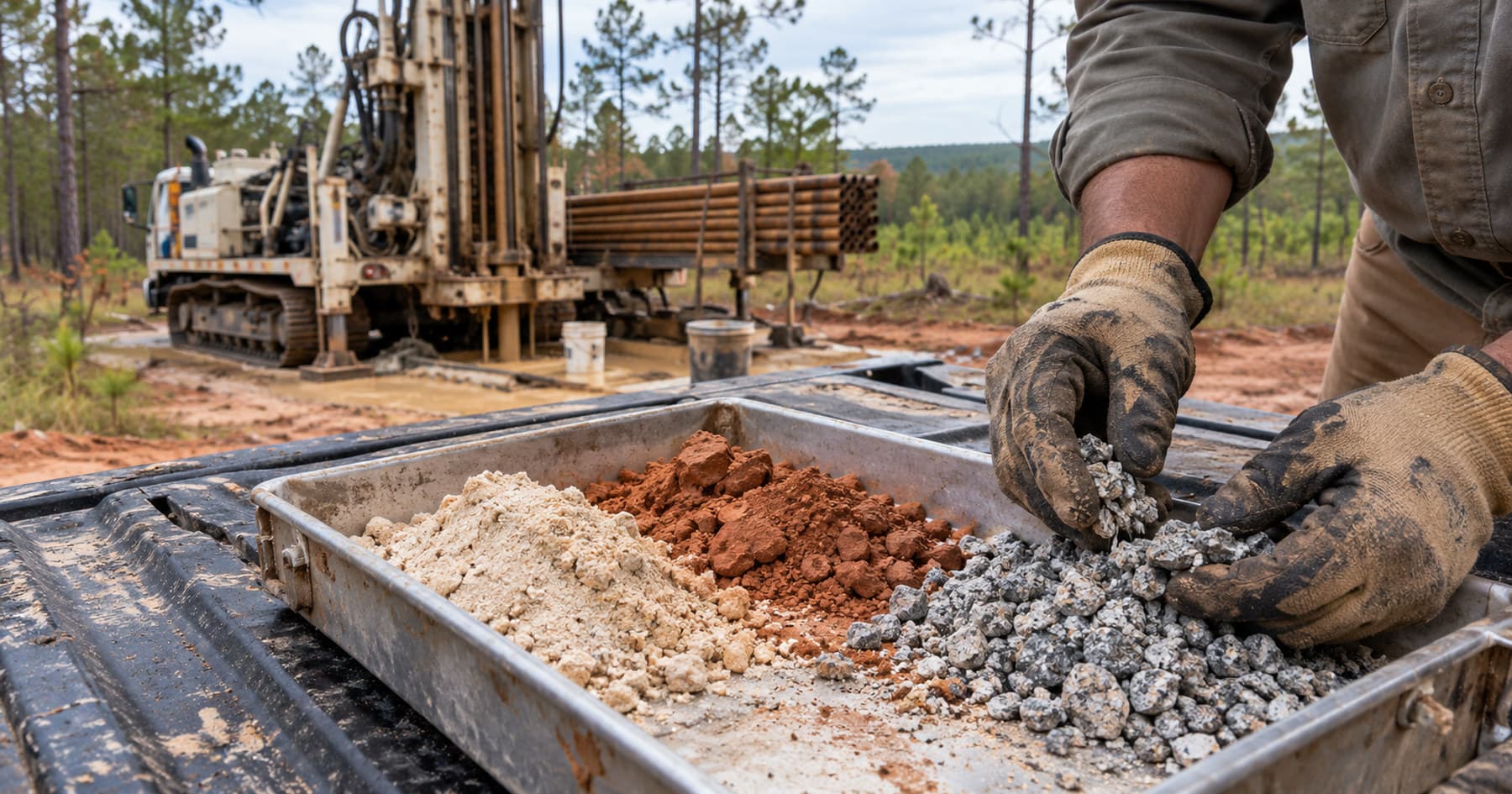
Well Drilling Depth South Carolina by Region
Well drilling depth south carolina ranges 30–400+ feet by region. Piedmont, Sandhills, Coastal Plain, and Lowcountry depths compared.
12 min read
State GuideWell DrillingSouth Carolina
1,329 directory listings across 548 counties
Well drilling is the foundation of a reliable private water supply. Licensed well drillers evaluate site geology, water table depth, and local aquifer conditions to design and install wells that deliver safe, consistent water for homes, farms, and businesses.
The drilling process typically involves site assessment, permitting, drilling to the appropriate depth, installing casing and screens, and developing the well to maximize yield. Depth and construction vary widely by region — shallow bedrock wells in some areas, deep sand-and-gravel aquifers in others.
A properly drilled and sealed well protects groundwater from surface contamination and meets state construction standards. Experienced drillers also handle yield testing, pump sizing, and disinfection so new wells are ready for daily use.
state-guideWell drilling depth south carolina ranges 30–400+ feet by region. Piedmont, Sandhills, Coastal Plain, and Lowcountry depths compared.
 city-guide
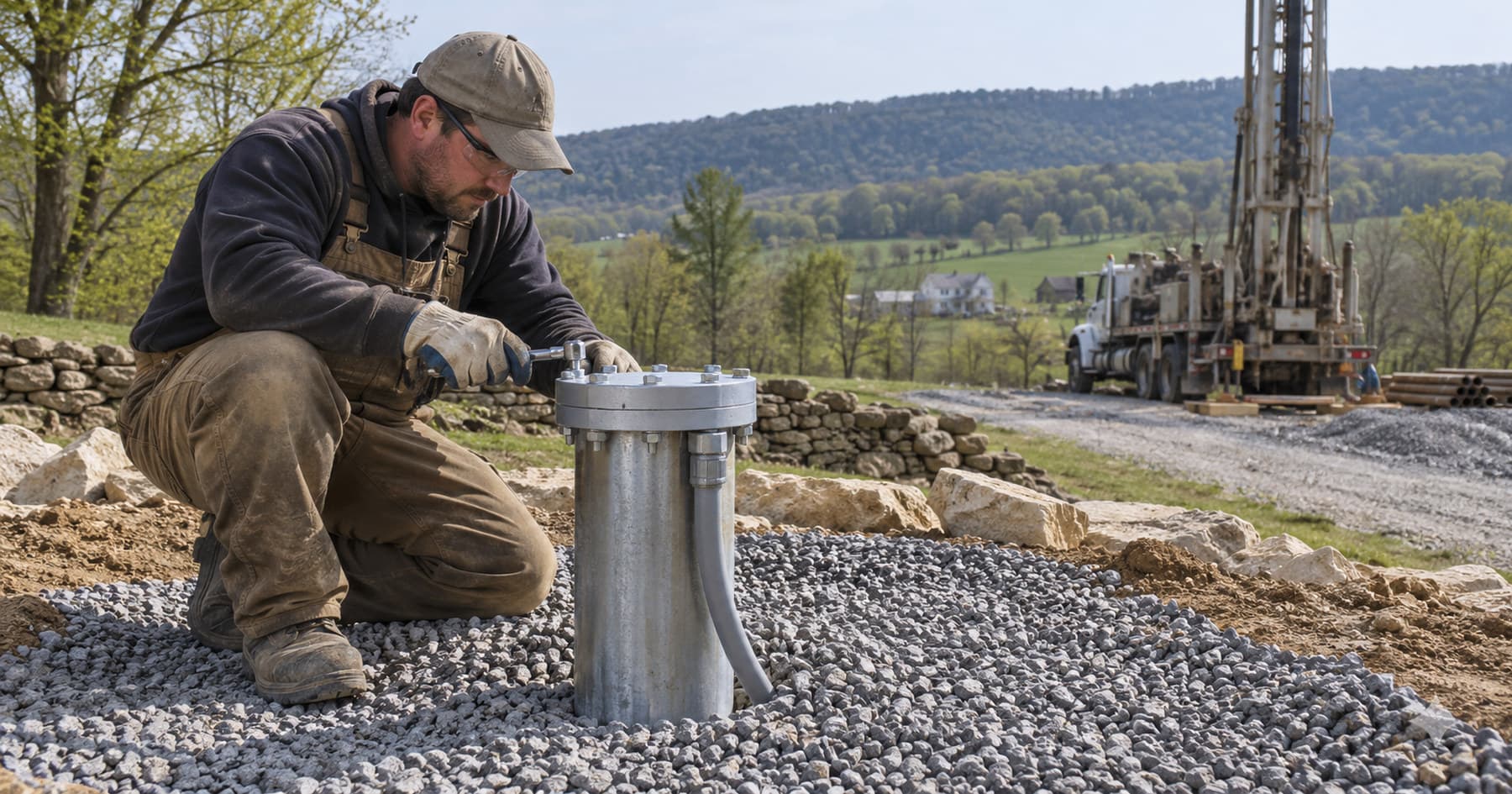
The well drilling cost Pennsylvania homeowners pay ranges from $5,000 to $15,000+. Get 2026 prices by region, depth, and geology in this detailed guide.
 state-guide
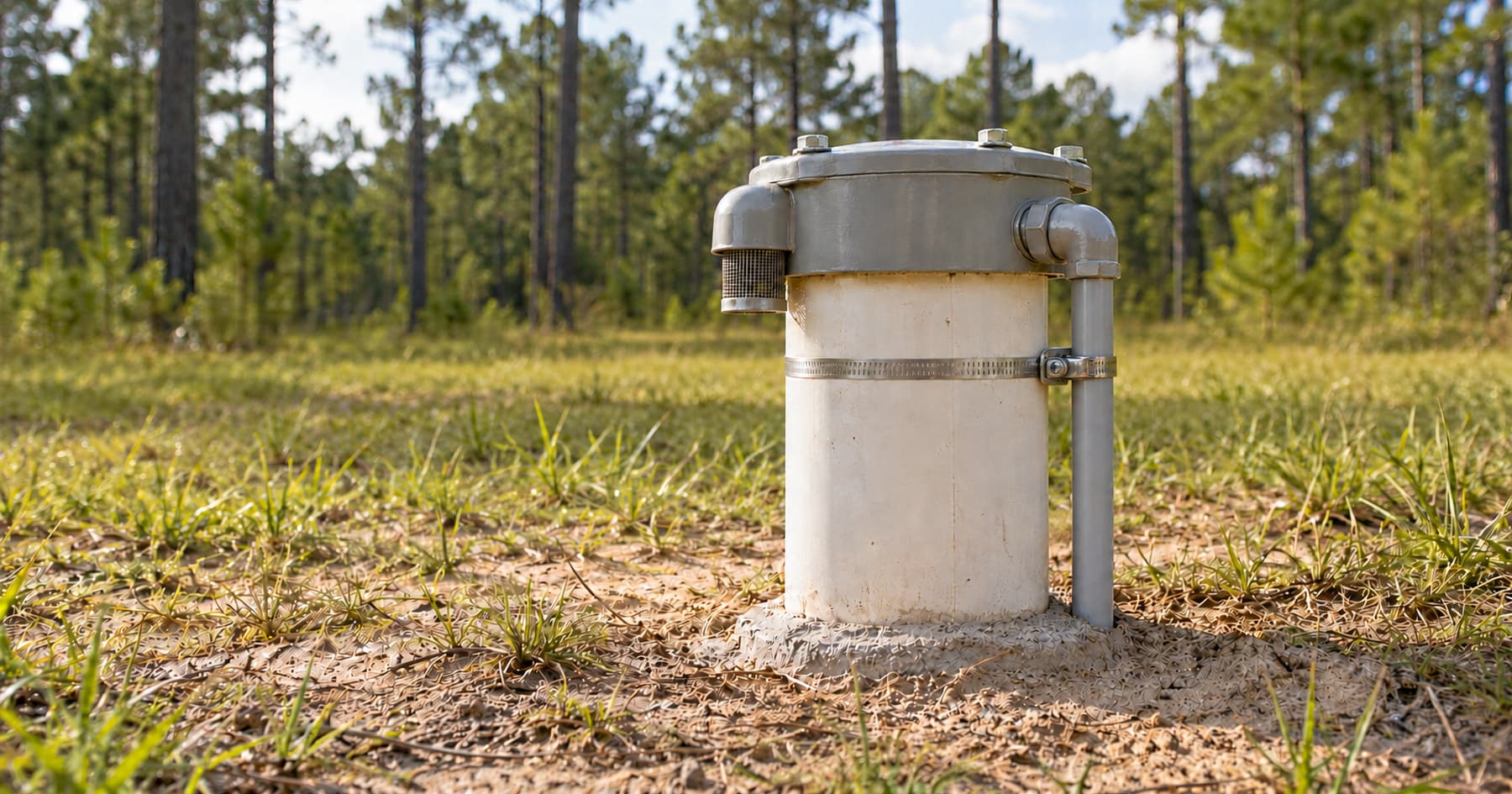
South carolina well water standards under R.61-71 set construction, casing, and setback rules for private wells in South Carolina.
A new residential water well typically costs $5,000–$15,000 all-in, driven mostly by depth and geology. Rocky or deep aquifers, casing, and the pump system raise the total. Get itemized quotes to compare.
Actual drilling usually takes 1–3 days. Permitting, siting, and installing the pump and pressure system add time, so plan for one to three weeks from contract to running water.
Almost always. Most states and counties require a permit, a licensed well driller, and a well-log filing. Your driller handles the permit and construction standards; confirm current credentials with the business and issuing authority.
Residential wells commonly run 100–500 feet deep, depending on where the aquifer sits in your area. A local driller knows typical depths for your county and will estimate before drilling.
Verify the state license, ask for recent local well logs, confirm they pull the permit, and get a written estimate that separates drilling, casing, and pump costs. All drillers here are checked against state records.
Most states require licensing for septic system contractors and well drillers to protect public health and the environment. Ask the business and issuing authority to confirm current licensing, insurance, and the permitted scope of work before hiring.
Get connected with local professionals in your area. Request a free quote today.
Get free quotes