buyers-guideWell Water Filtration Systems: How to Choose the Right Filter
Compare well water filtration systems by type, cost, and contaminant removal. Learn which whole house well water filter fits your needs.
299 directory listings across 197 counties
Well water filtration systems address common quality issues found in private wells, including iron, manganese, sulfur, hardness, sediment, and emerging contaminants like PFAS. A properly designed filtration system ensures safe, clean water throughout your entire home.
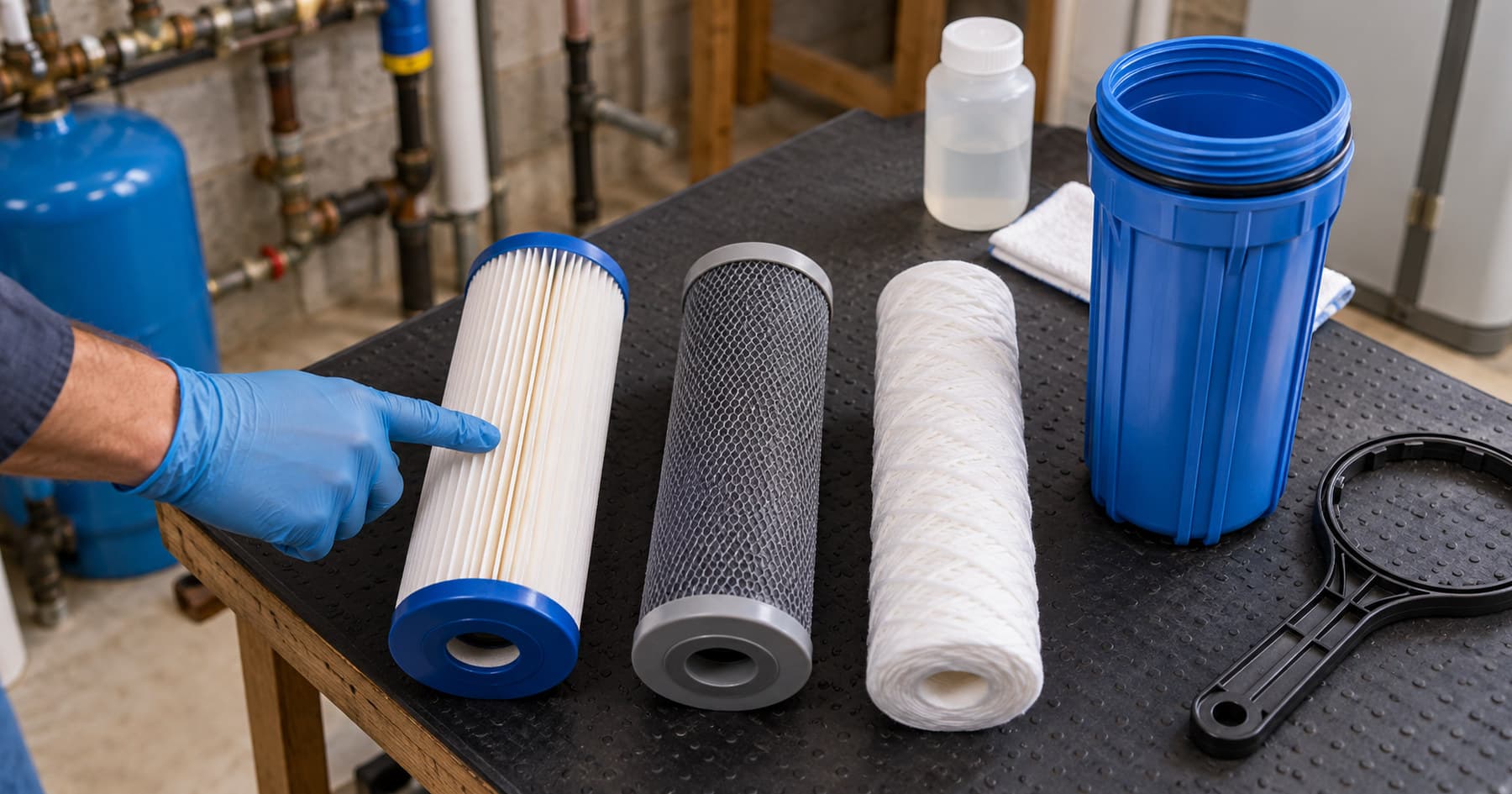
The right filtration approach depends on your specific water chemistry, determined through comprehensive water testing. Common solutions include sediment pre-filters, iron and manganese removal systems, water softeners, activated carbon filters for taste and chemical removal, and whole-house reverse osmosis for comprehensive treatment.
With growing awareness of PFAS contamination — particularly around industrial sites and military installations — demand for advanced filtration capable of removing forever chemicals has surged. Professional water filtration companies can design, install, and maintain systems tailored to your specific contamination profile.
buyers-guideCompare well water filtration systems by type, cost, and contaminant removal. Learn which whole house well water filter fits your needs.
cost-guideWell water filtration cost ranges from $500 to $5,000+. Compare system prices, installation costs, and annual maintenance for every filter type.
A basic sediment or carbon filter installs for $300–$800. Whole-house systems combining iron removal, softening, and PFAS-capable filtration can run $2,000–$6,000+ depending on your water chemistry and household size.
Sediment and carbon cartridges typically need replacing every 6–12 months, depending on water usage and contaminant load. Systems targeting heavy iron or high sediment may need more frequent changes.
A provider reviews your water test results, selects the right combination of filter stages for your contaminants, and installs the system at the point where water enters your home, usually in a single visit.
Granular activated carbon and reverse osmosis systems can remove PFAS effectively when sized correctly for your contamination level. Not every filter is rated for PFAS, so confirm certification before buying.
Start with a water test, ask for a system sized to your actual contaminants rather than a one-size-fits-all package, and confirm ongoing filter service is included. Providers here are checked against state licensing records.
Most states require licensing for septic system contractors and well drillers to protect public health and the environment. Ask the business and issuing authority to confirm current licensing, insurance, and the permitted scope of work before hiring.
Get connected with local professionals in your area. Request a free quote today.
Get free quotes