 state-guide
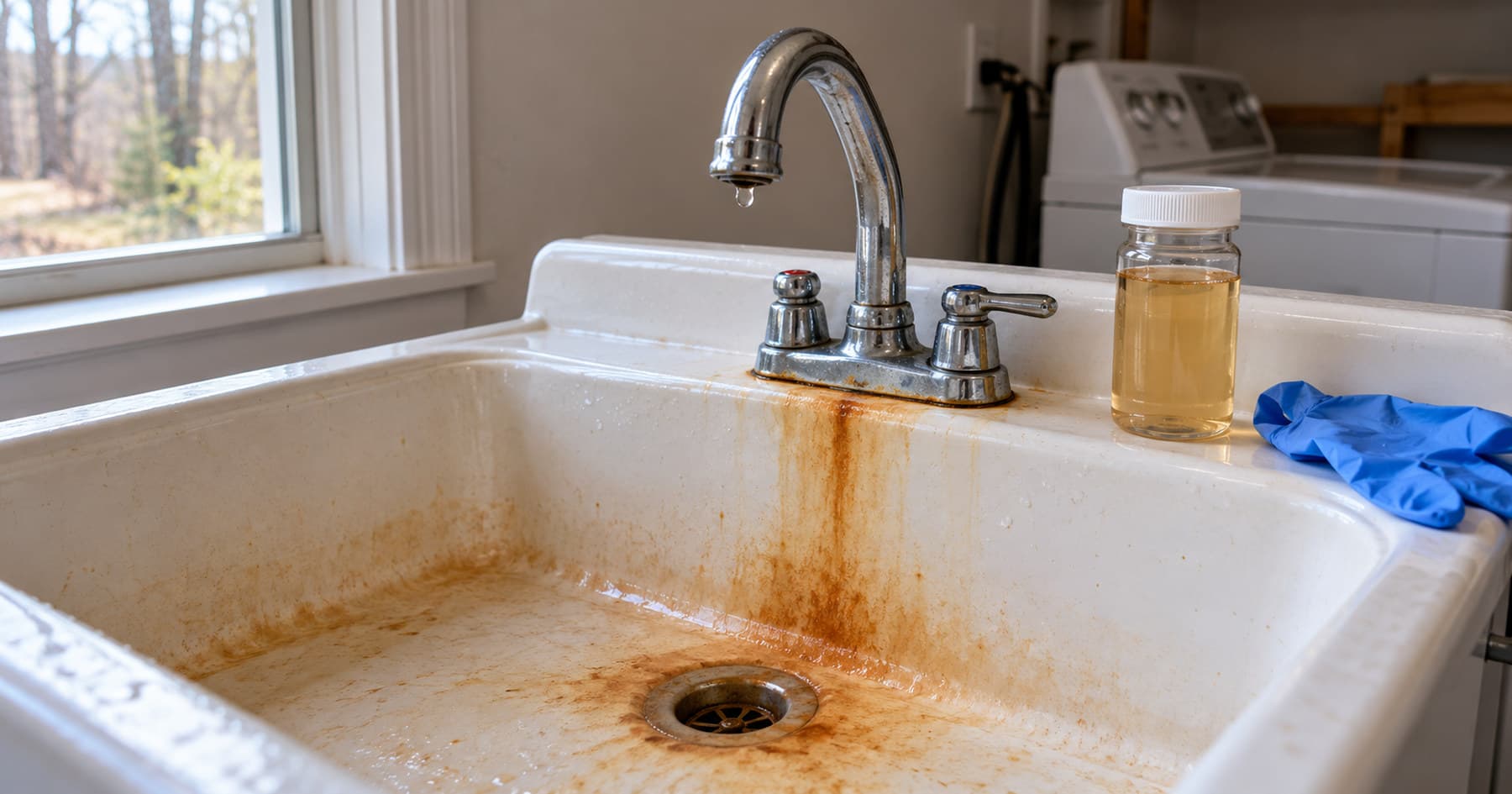
Virginia Iron in Well Water: Causes & Treatment
Virginia iron in well water causes, health effects, and treatment options. Regional iron levels, filter types, and costs for VA well owners.
8 min read
Well WaterWater TreatmentIron
185 directory listings across 95 counties
Water treatment systems address quality issues common in private well water, including hardness, iron staining, sulfur odor, low pH, and bacterial contamination. The right treatment solution depends on your specific water chemistry, which should be determined through comprehensive testing.
Common residential treatment systems include water softeners for hardness and iron, sediment filters, carbon filters for taste and odor, UV disinfection for bacteria, and reverse osmosis for drinking water purification. Whole-house systems treat all water entering the home.
Professional water treatment companies design systems based on your water test results and household needs. They handle installation, provide startup training, and offer ongoing maintenance to ensure your system continues performing effectively.
Cherokee County
8 listings
Gwinnett County
8 listings
Cobb County
5 listings
Bulloch County
4 listings
Dougherty County
4 listings
Hall County
4 listings
Pike County
4 listings
White County
4 listings
Barrow County
3 listings
Bibb County
3 listings
Camden County
3 listings
Chatham County
3 listings
Clarke County
3 listings
Douglas County
3 listings
Fulton County
3 listings
Gilmer County
3 listings
Laurens County
3 listings
Lowndes County
3 listings
Spalding County
3 listings
Sumter County
3 listings
Tift County
3 listings
Troup County
3 listings
Turner County
3 listings
Wilkes County
3 listings
Worth County
3 listings
Baldwin County
2 listings
Bartow County
2 listings
Brantley County
2 listings
Carroll County
2 listings
Coffee County
2 listings
Dawson County
2 listings
Forsyth County
2 listings
Franklin County
2 listings
Gordon County
2 listings
Houston County
2 listings
Lamar County
2 listings
Lumpkin County
2 listings
Madison County
2 listings
Newton County
2 listings
Oglethorpe County
2 listings
Peach County
2 listings
Rabun County
2 listings
Randolph County
2 listings
Stewart County
2 listings
Upson County
2 listings
Washington County
2 listings
Wayne County
2 listings
Webster County
2 listings
Appling County
1 listing
Atkinson County
1 listing
Banks County
1 listing
Brooks County
1 listing
Bryan County
1 listing
Burke County
1 listing
Calhoun County
1 listing
Catoosa County
1 listing
Colquitt County
1 listing
Cook County
1 listing
Coweta County
1 listing
Crawford County
1 listing
Crisp County
1 listing
Decatur County
1 listing
DeKalb County
1 listing
Dodge County
1 listing
Effingham County
1 listing
Emanuel County
1 listing
Fayette County
1 listing
Habersham County
1 listing
Haralson County
1 listing
Hart County
1 listing
Henry County
1 listing
Jackson County
1 listing
Jefferson County
1 listing
Jenkins County
1 listing
Johnson County
1 listing
Jones County
1 listing
Lee County
1 listing
Mitchell County
1 listing
Montgomery County
1 listing
Murray County
1 listing
Oconee County
1 listing
Pierce County
1 listing
Rockdale County
1 listing
Schley County
1 listing
Screven County
1 listing
Stephens County
1 listing
Tattnall County
1 listing
Taylor County
1 listing
Telfair County
1 listing
Thomas County
1 listing
Toombs County
1 listing
Union County
1 listing
Walker County
1 listing
Whitfield County
1 listing
Wilcox County
1 listing
Georgia requires licensing for septic system contractors and well drillers to protect public health and the environment. A listing does not establish that a business meets those requirements. Confirm current licensing, insurance, and scope of work with the business and issuing authority before hiring.
state-guideVirginia iron in well water causes, health effects, and treatment options. Regional iron levels, filter types, and costs for VA well owners.
 state-guide
Choose the right PFAS water filter michigan homes need to remove forever chemicals. Compare GAC, ion exchange, and reverse osmosis systems with costs.
 state-guide
PFAS virginia well water testing and treatment guide. EPA limits, military base contamination zones, and filter options for VA homeowners.
Get connected with local professionals. Request a free, no-obligation quote.
Find providers