 state-guide
Radium South Carolina Well Water: Sandhills Guide
Radium south carolina well water contamination is a natural Sandhills risk. EPA limits, affected counties, and treatment options.
9 min read
Water QualityWell Water TestingSouth Carolina
223 directory listings across 99 counties
Georgia does not require routine testing of existing private wells, but DNR EPD recommends annual testing for total coliform bacteria, E. coli, and nitrates. County boards of health can provide lists of state-certified laboratories, and some county extension offices offer periodic low-cost testing events. New well construction requires a water quality test before the well permit is finalized under Georgia's Water Well Standards Act.
Basic bacteria and nitrate testing in Georgia costs $50–$100 — among the lowest in the Southeast — while comprehensive panels including metals, pH, hardness, iron, manganese, and organic compounds run $150–$250. Properties in south Georgia's agricultural belt should test for nitrates and pesticides regularly, as row crop farming and poultry operations can contribute to groundwater contamination in the sandy Coastal Plain aquifers.
Georgia's geology creates distinct water quality profiles across the state. North Georgia wells drilled into crystalline bedrock may produce water with naturally elevated radon, iron, or manganese. The Piedmont's granite and gneiss formations can contribute to hard water and occasionally elevated uranium levels. The Coastal Plain sits atop the Floridan Aquifer, one of the most productive aquifer systems in the world, which generally provides high-quality water but can be vulnerable to saltwater intrusion near the coast. Homeowners in the Savannah area and coastal counties should test for chlorides if their wells are relatively shallow or located within a few miles of tidal waterways.
state-guideRadium south carolina well water contamination is a natural Sandhills risk. EPA limits, affected counties, and treatment options.
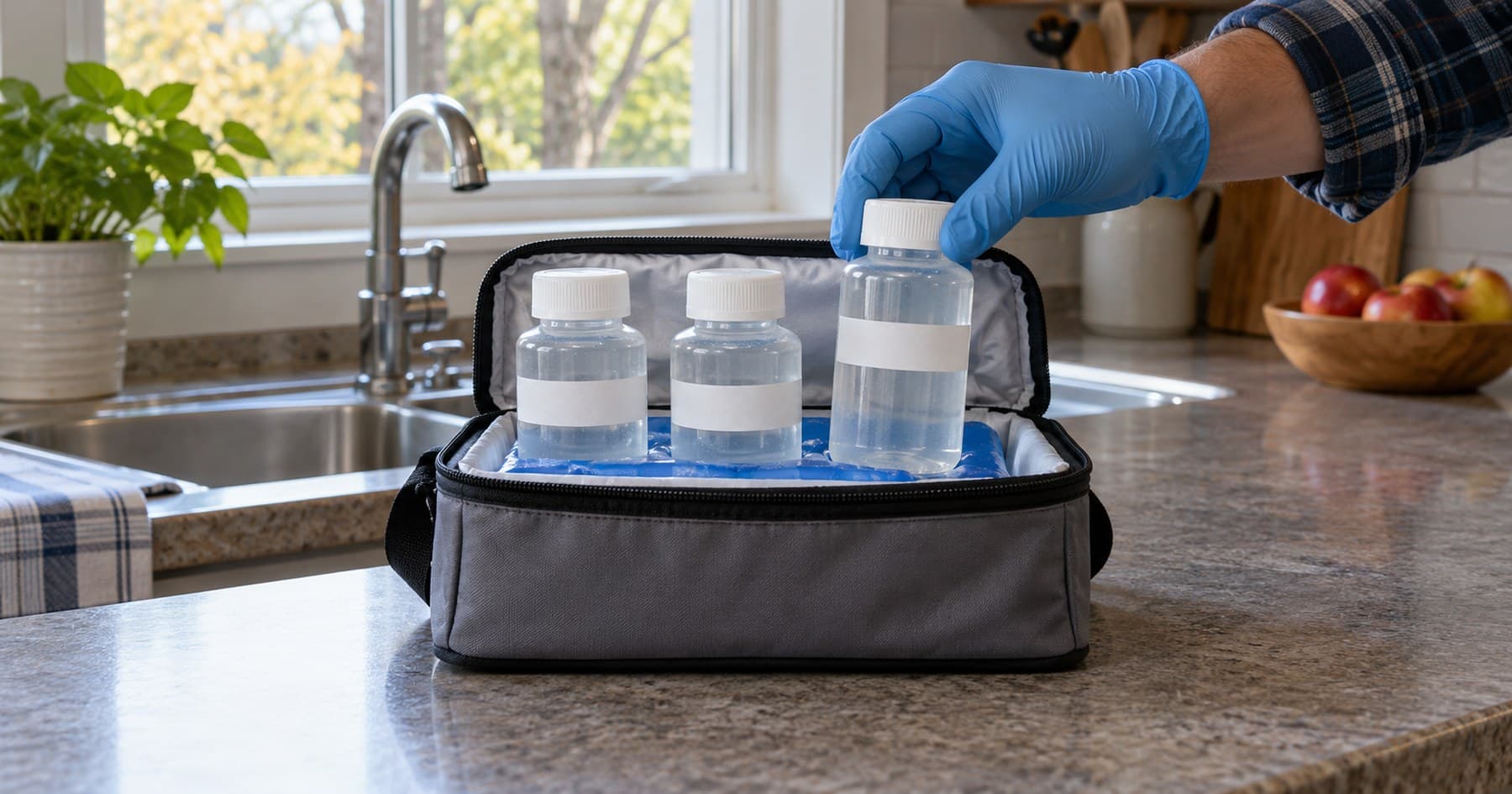 how-to
Minnesota well water testing should include arsenic, coliform, and nitrate. MDH's schedule, costs, county labs, and the arsenic problem explained.
 state-guide
Find the best well water testing services NC homeowners trust. Compare certified labs, test packages, costs, and turnaround times.
Test private well water at least annually for coliform bacteria and nitrates. Ask your local health department which additional tests and timing fit local water conditions and your household. Flooding, well work, or changes in water quality may call for additional testing.
Ask for itemized pricing for the test panel, laboratory analysis, sample collection, shipping, and any rush service. Submitting a quote request through this site is free; confirm each business's testing, collection, and estimate fees before booking. Compare what each panel includes and when you will receive a written report.
Not every private well sample requires a licensed contractor. For routine testing, homeowners may collect samples using the laboratory's test kit and collection instructions. Choose a laboratory certified or accredited for the tests you need, and confirm its containers, handling, and delivery requirements before collecting. Property transactions or other formal testing may have different collection and documentation requirements; confirm those with the laboratory and the requesting authority.
Georgia requires licensing for septic system contractors and well drillers to protect public health and the environment. A listing does not establish that a business meets those requirements. Confirm current licensing, insurance, and scope of work with the business and issuing authority before hiring.
Get connected with local professionals. Request a free, no-obligation quote.
Find providers