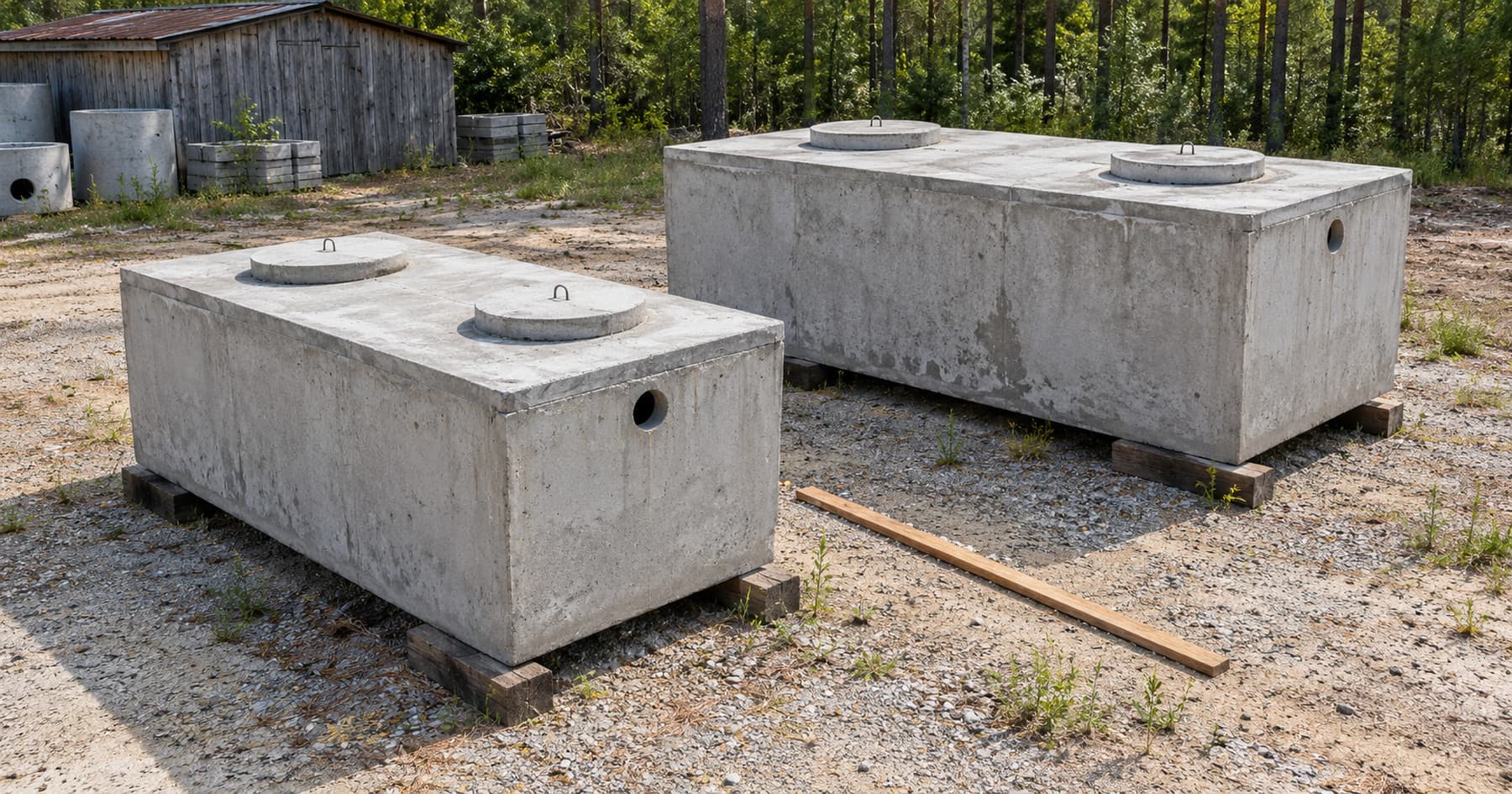
Installing a new septic system in North Carolina requires a permit from the county environmental health department, which operates under NCDENR guidelines. A certified soil scientist must first perform a site evaluation, including perk tests and soil borings, to determine which system type the lot can support. Conventional gravity systems are the most affordable option, while engineered systems — including low-pressure pipe, drip irrigation, or advanced pretreatment units — are required on sites with challenging soil or terrain.
Conventional septic installation in NC runs $3,000–$8,000, covering the tank, drain field, and basic labor. Engineered systems can exceed $15,000 depending on complexity. Mountain properties with steep grades and shallow bedrock often require pressure-dosed systems or multiple drain field trenches cut into hillsides. Coastal Plain sites near the Outer Banks or tidal rivers may need raised sand mound systems to keep components above the seasonal high water table.
Piedmont clay soils typically require larger drain fields because the soil's slow percolation rate limits how quickly effluent can absorb. Homeowners building on undeveloped lots should budget for the site evaluation ($400–$800) in addition to the installation itself. County permit fees range from $200–$500, and most jurisdictions require a final inspection before the system can be covered and put into service.
Septic Installation in North Carolina — FAQ
How much does septic installation cost in North Carolina?
- Septic Installation costs in North Carolina vary by location, system size, and complexity. Most providers offer free estimates, so you can compare pricing from multiple licensed professionals before deciding.
How do I find a licensed septic installation provider in North Carolina?
- Browse our directory of licensed septic installation providers across all 100 North Carolina counties. Every listed company is verified against state licensing records.
Does North Carolina require a license for septic installation?
- North Carolina requires contractors performing septic installation to hold valid state licenses. Always verify your provider's credentials — all professionals in our directory are checked against state licensing records.
How often do I need septic installation in North Carolina?
- The recommended frequency depends on your system type and household size. Most professionals suggest scheduling septic installation every 3–5 years, though regular inspections can help determine the right schedule for your property.
Need Septic Installation in North Carolina?
Get connected with licensed professionals in your area. Request a free quote today.
Find Providers