costWell Drilling Cost in Minnesota (2026): Depth, Aquifers, and Price Breakdown
Well drilling cost in Minnesota averages $6,900 — most complete systems run $7,000-$18,000. See per-foot rates, casing options, and MDH rules.
Clearwater County is located in the North Central Lakes Country region of Minnesota. Clearwater County straddles the divide between sandy morainal uplands around Itasca and the flat, wet peatlands sloping toward the Red Lake basin in the north. The upland soils are loamy sand to sandy loam that percolate acceptably, while the northern half holds extensive organic peat and poorly drained silt where conventional trenches are impossible. Understanding local permit requirements and soil conditions is essential before installing, repairing, or inspecting a septic system.
Clearwater County requires an SSTS permit before any new system is installed, with an application that includes on-site soil borings and a design from an MPCA-licensed designer. The county spans the Mississippi headwaters at Itasca State Park and a long list of lakes, all of which fall inside shoreland districts with added setbacks from the ordinary high water level. Designers must document three feet of unsaturated soil above the saturated zone, and on the wetter northern townships that means an above-ground system. A licensed installer must build the system and the county inspects it before backfill.
Repair permits are required for replacing tanks and drainfields or changing effluent distribution. An imminent threat to public health and safety - surfacing sewage or a direct discharge - has to be corrected within 30 days. Systems failing only the separation standard get ten months, and Clearwater County staff advise starting early because the construction season is short and licensed installers book out. Older cabin systems built around drywells cannot be brought into compliance and must be replaced.
The county requires a compliance inspection by an MPCA-licensed inspector before issuing building permits that add bedrooms and in connection with many land use applications. Certificates of compliance run three years for existing systems and five for new construction. Clearwater County also reminds owners of the statewide requirement to have the tank measured and maintained at least once every three years.
Clearwater County Environmental Services
(218) 694-6183Contact the county environmental health department for permit applications, soil evaluation scheduling, and regulatory questions.
Clearwater County straddles the divide between sandy morainal uplands around Itasca and the flat, wet peatlands sloping toward the Red Lake basin in the north. The upland soils are loamy sand to sandy loam that percolate acceptably, while the northern half holds extensive organic peat and poorly drained silt where conventional trenches are impossible. Water tables are high enough across much of the county that separation, not permeability, is the limiting design factor.
A portion of the White Earth Nation reservation extends into southern Clearwater County, where tribal environmental staff may administer septic and well permitting. Shoreland lots near Itasca State Park and Clearwater Lake face heightened scrutiny because of their proximity to the Mississippi headwaters. Rural wells in the county are usually finished in buried sand aquifers, and both iron and arsenic testing are advisable on any newly drilled well.
Septic Pumping
Clearwater County
Septic Inspection
Clearwater County
Septic Installation
Clearwater County
Well Water Testing
Clearwater County
Well Pump Repair
Clearwater County
Well Drilling
Clearwater County
Emergency Services
Clearwater County
Water Treatment
Clearwater County
Drain Field Repair
Clearwater County
Septic to Sewer Conversion
Clearwater County
Aerobic Septic System
Clearwater County
Well Water Filtration
Clearwater County
PFAS Water Testing
Clearwater County
Septic permit fees in Clearwater County vary by permit type. New installation permits typically cost $200–$500, while repair permits are usually $100–$300. Contact Clearwater County Environmental Services at (218) 694-6183 for current fee schedules.
The septic permit process in Clearwater County generally takes 2–6 weeks, depending on soil evaluation scheduling and application completeness. Soil evaluations must be performed by a licensed soil scientist before applying.
Yes. Clearwater County requires a professional soil evaluation before issuing any septic permit. A licensed soil scientist evaluates soil type, depth, drainage, and water table levels to determine the appropriate septic system design.
Clearwater County Environmental Services oversees all septic system inspections in Clearwater County. Contact them at (218) 694-6183 to schedule an inspection or ask about requirements.
Clearwater County requires septic system installation by licensed contractors. All installations must be permitted through Clearwater County Environmental Services and pass inspection before the system can be used.
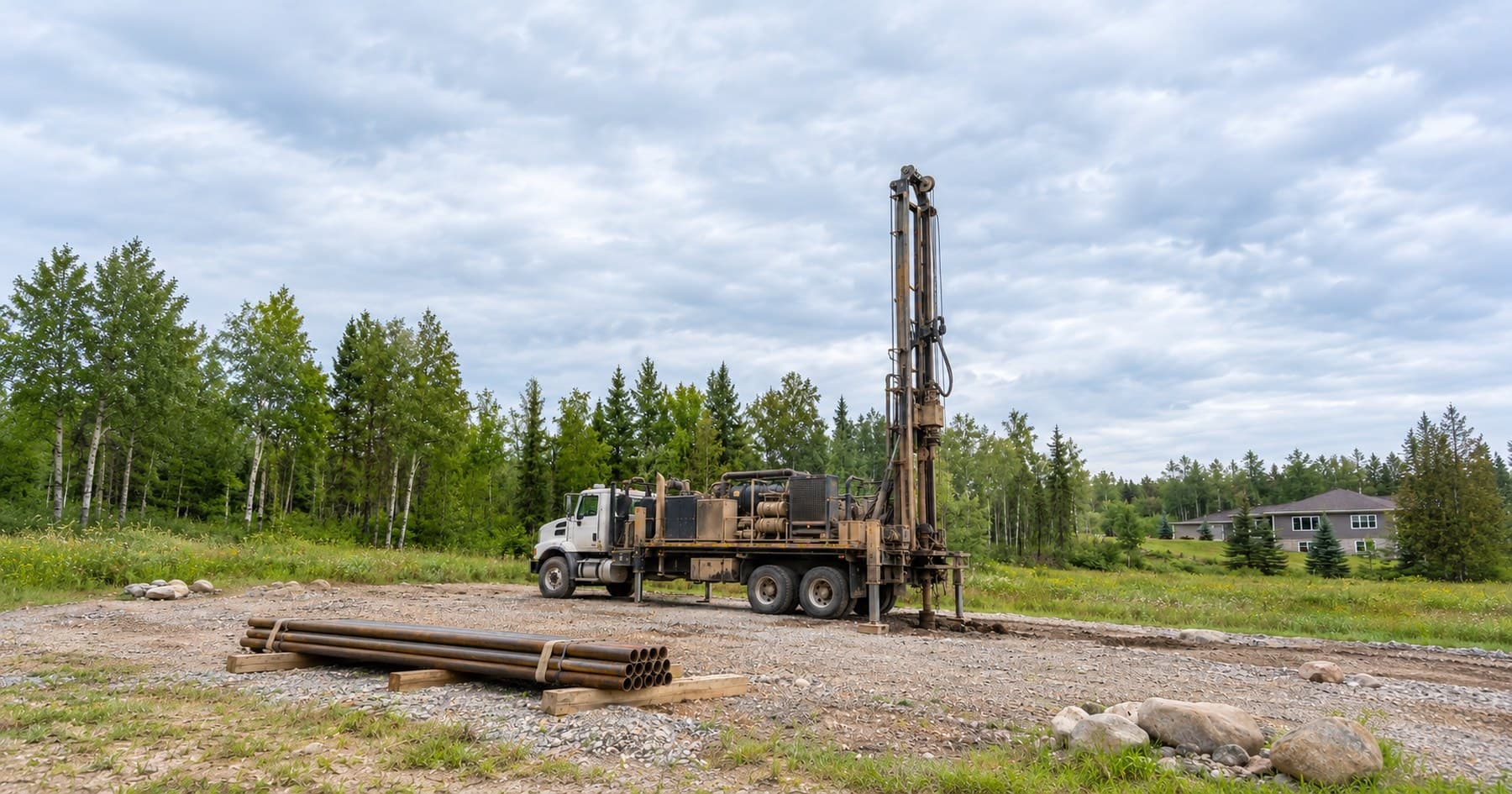
costWell drilling cost in Minnesota averages $6,900 — most complete systems run $7,000-$18,000. See per-foot rates, casing options, and MDH rules.
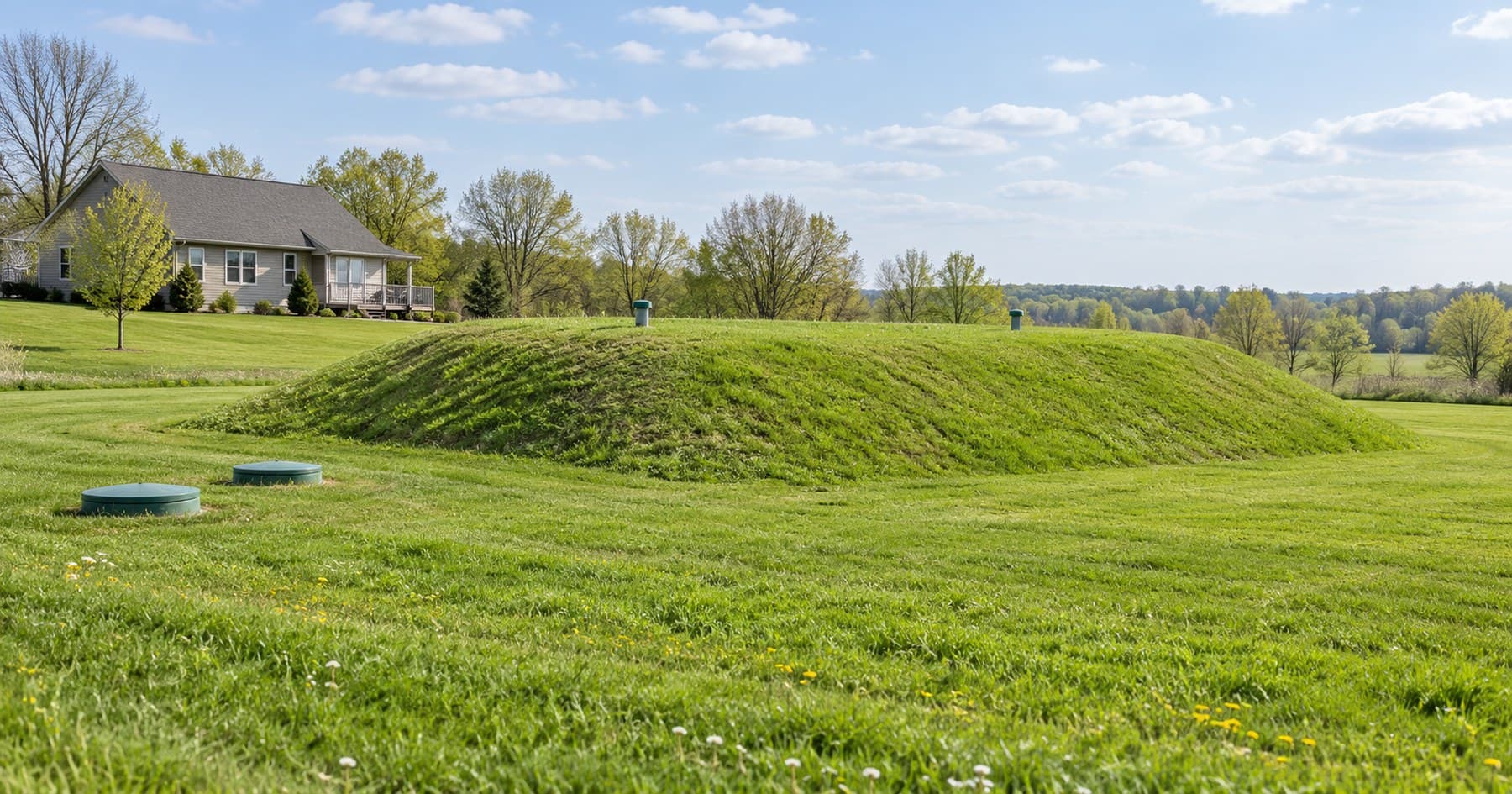
how-toMound septic systems dominate Minnesota because glacial soils drain slowly. See how mounds work, maintenance rules, costs, and mound vs at-grade choices.
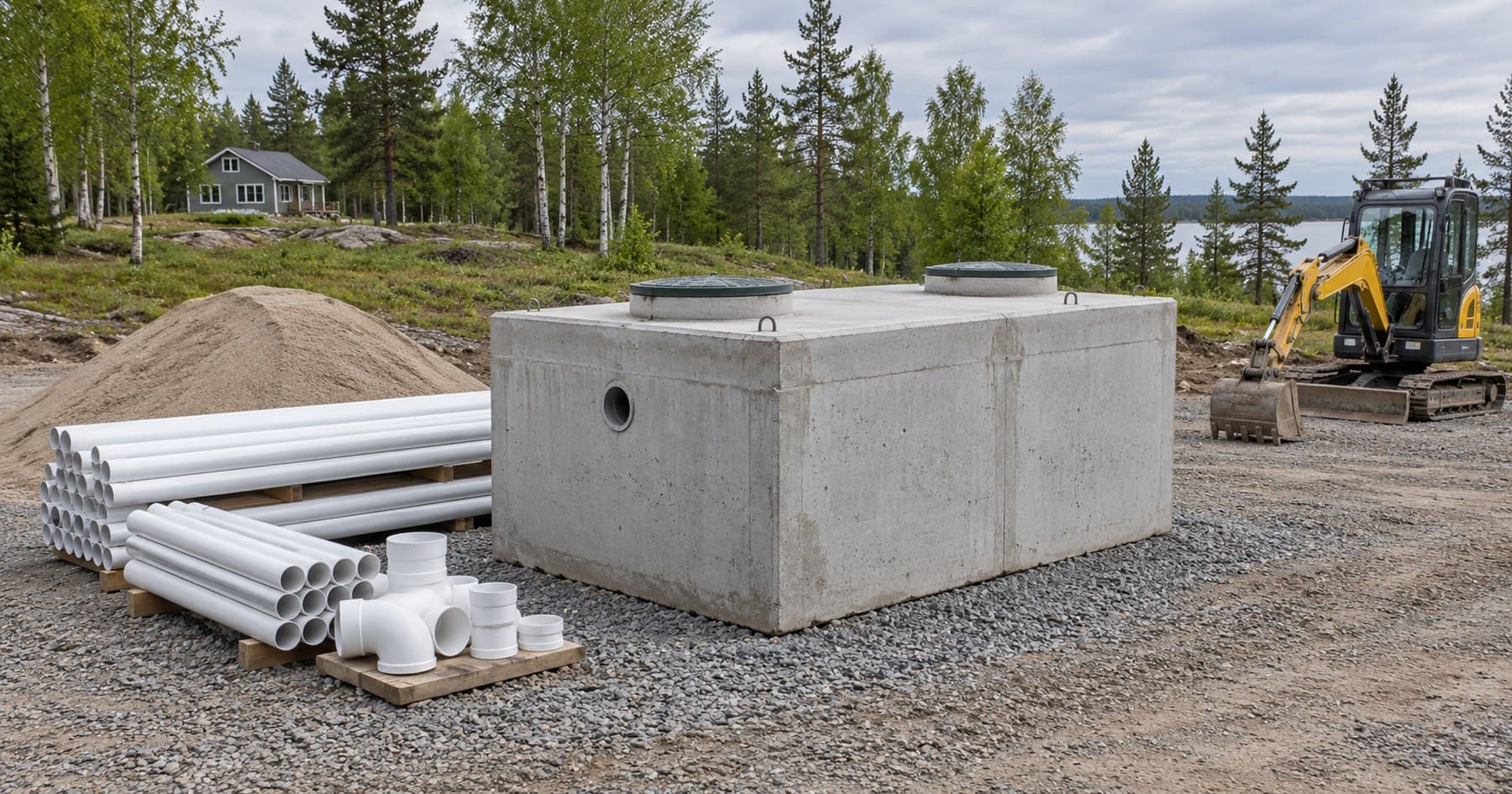
costSeptic system cost in Minnesota runs $12,000 to $45,000 installed. See trench, mound, and at-grade prices by system type, soil, and county permit fees.
Get connected with local professionals who understand Clearwater County's regulations and soil conditions. Request a free quote today.
Find Providers