 state-guide
Radium South Carolina Well Water: Sandhills Guide
Radium south carolina well water contamination is a natural Sandhills risk. EPA limits, affected counties, and treatment options.
9 min read
Water QualityWell Water TestingSouth Carolina
763 directory listings across 159 counties
Texas well drilling and pump installation are licensed by the Texas Department of Licensing and Regulation (TDLR), separate from TCEQ's septic oversight. The state has over 1 million private water wells serving approximately 2.23 million residents, with 60% of the state's total water supply coming from groundwater. TDLR requires well drillers to submit completion reports within 60 days to both TDLR and TCEQ. There is no statewide mandatory testing requirement for existing private wells, but testing is recommended annually for bacteria and nitrates at minimum.
Basic bacteria and nitrate testing in Texas costs $75-$200, while comprehensive panels covering metals, pH, hardness, volatile organic compounds, and radionuclides typically run $200-$300. Properties near military installations should test for PFAS, as multiple Texas bases including Fort Hood (Bell County), Joint Base San Antonio (Bexar County), and Naval Air Station Fort Worth (Tarrant County) have documented PFAS contamination. West Texas wells in the Permian Basin may contain elevated levels of naturally occurring arsenic, fluoride, and total dissolved solids from deep geological formations.
Texas's 101 Groundwater Conservation Districts (GCDs) across 181 of 254 counties add a local regulatory layer for well permitting and production limits. Even exempt domestic wells typically must be registered with the local GCD. The Edwards Aquifer Authority manages pumping permits for approximately 1,200 permit holders in the 8-county San Antonio region. Hill Country wells through fractured limestone can produce excellent water quality but are vulnerable to surface contamination through karst features. East Texas Carrizo-Wilcox wells often have elevated iron and manganese requiring filtration. Panhandle wells tapping the declining Ogallala Aquifer face increasing depth and yield concerns. Testing through a TCEQ-approved lab ensures results are accepted for regulatory and real estate purposes.
state-guideRadium south carolina well water contamination is a natural Sandhills risk. EPA limits, affected counties, and treatment options.
 how-to
Minnesota well water testing should include arsenic, coliform, and nitrate. MDH's schedule, costs, county labs, and the arsenic problem explained.
 state-guide
Find the best well water testing services NC homeowners trust. Compare certified labs, test packages, costs, and turnaround times.
Test private well water at least annually for coliform bacteria and nitrates. Ask your local health department which additional tests and timing fit local water conditions and your household. Flooding, well work, or changes in water quality may call for additional testing.
Ask for itemized pricing for the test panel, laboratory analysis, sample collection, shipping, and any rush service. Submitting a quote request through this site is free; confirm each business's testing, collection, and estimate fees before booking. Compare what each panel includes and when you will receive a written report.
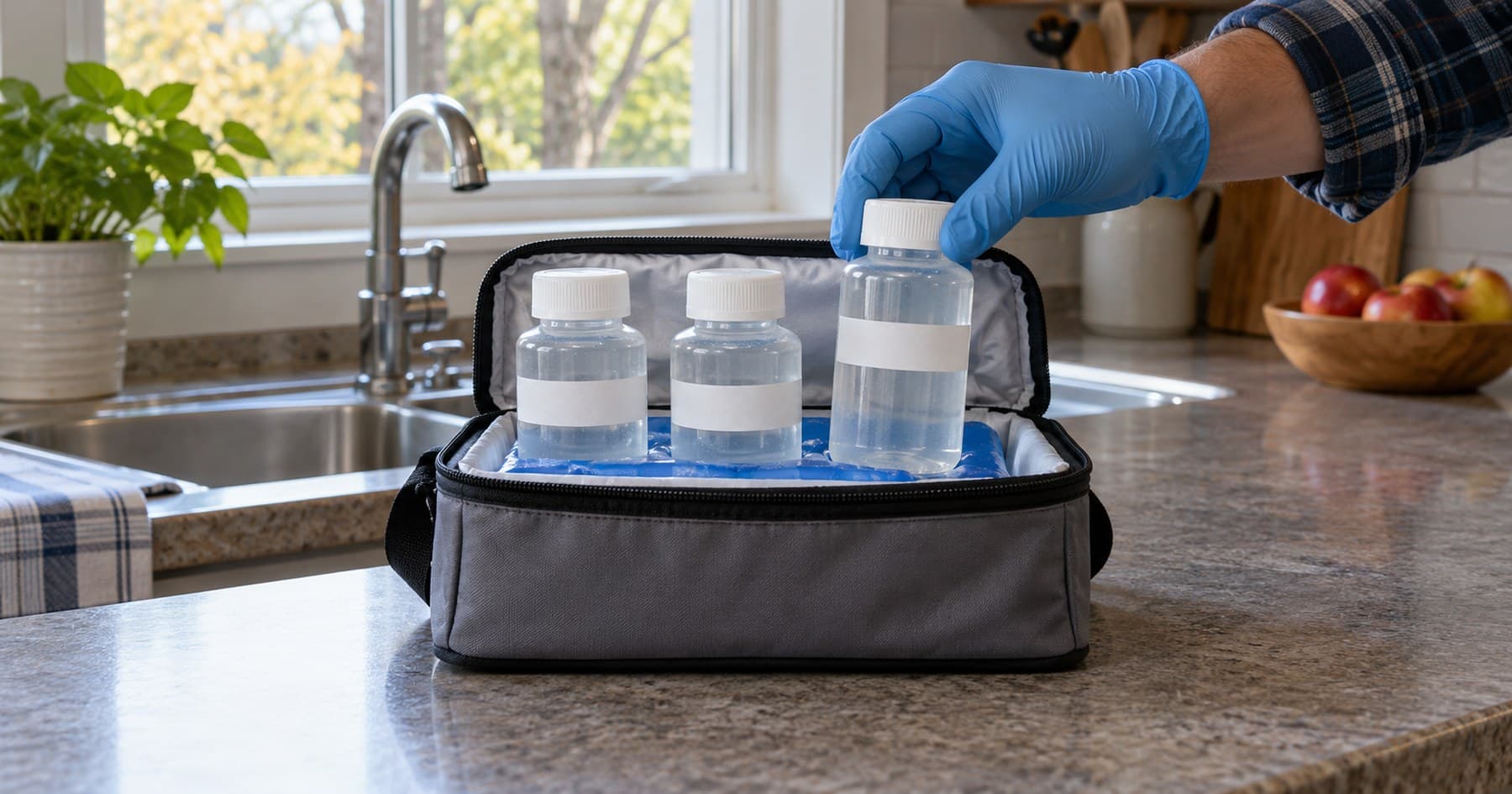
Not every private well sample requires a licensed contractor. For routine testing, homeowners may collect samples using the laboratory's test kit and collection instructions. Choose a laboratory certified or accredited for the tests you need, and confirm its containers, handling, and delivery requirements before collecting. Property transactions or other formal testing may have different collection and documentation requirements; confirm those with the laboratory and the requesting authority.
Texas requires licensing for septic system contractors and well drillers to protect public health and the environment. A listing does not establish that a business meets those requirements. Confirm current licensing, insurance, and scope of work with the business and issuing authority before hiring.
Get connected with local professionals. Request a free, no-obligation quote.
Find providers