Septic Services High Point NC: Provider Guide
Find septic services High Point NC homeowners trust. Covers Guilford County clay conditions, High Point NC septic pumping costs, and local contractors.
High Point earned its name from being the highest point on the North Carolina Railroad between Charlotte and Goldsboro. Today it's known as the Furniture Capital of the World, with a population around 115,000. The city straddles Guilford, Randolph, and Davidson counties, though most residents fall within Guilford County's jurisdiction. While central High Point connects to municipal sewer, the outer edges of the city and surrounding unincorporated areas rely heavily on private septic systems and well water.
The Piedmont terrain around High Point features rolling hills and the heavy red clay soils that define central North Carolina's geology. This clay creates the primary challenge for septic systems in the region — slow percolation, compaction over time, and seasonal saturation during wet winters. If you live outside the sewer service area or you're buying property that depends on a septic system, understanding what septic services High Point NC professionals handle will help you protect your investment. Quality septic services High Point NC residents rely on make all the difference in Piedmont clay.
The Septic Landscape Around High Point
Guilford County has a significant number of properties on private wastewater systems. Communities like Archdale, Trinity, and the rural areas south and west of High Point are almost entirely served by septic. Even within High Point's city limits, older neighborhoods on the periphery sometimes have septic rather than sewer connections — a surprise to buyers who assume city address means city sewer.
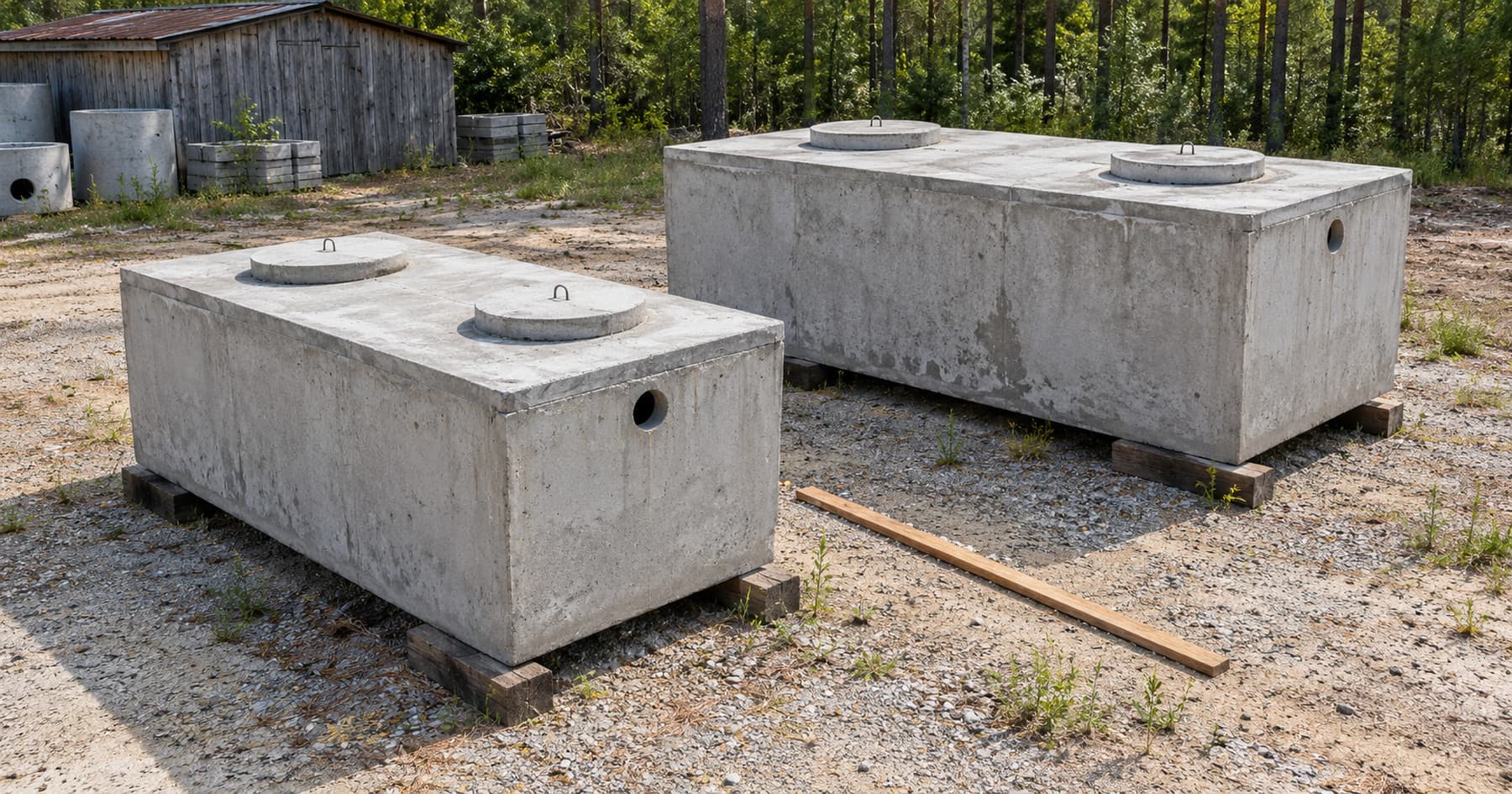
The standard system here is a conventional gravity-fed design with a concrete tank and gravel-trench drain field. Clay soils demand oversized drain fields compared to what you'd see in sandy coastal areas. Newer installations increasingly use chamber systems, which create more air space around distribution lines and improve performance in tight clay.
High Point well water usage follows a similar pattern. City water extends through most of High Point proper, but unincorporated areas and neighboring small towns often depend on private wells. Piedmont wells tap fractured-rock aquifers, and water quality varies from one well to the next. Hard water, iron, and manganese are the most common issues homeowners report.
Septic Services You Can Find in High Point NC
High Point NC septic pumping should happen every 3 to 5 years. In clay soil regions like High Point, some professionals recommend leaning toward every 3 years. Slower drainage means your drain field handles less volume, so keeping your tank emptied of solids is more critical than in sandy soil areas.
Septic inspections serve both routine maintenance and real estate transactions. A full inspection includes pumping the tank, checking baffles and structural integrity, and evaluating drain field performance. For High Point properties, inspectors pay particular attention to signs of clay-related drain field stress — standing water, lush green patches over lines, or slow-draining fixtures inside the home.
New installations and replacements are driven by new construction in the Archdale-Trinity corridor and aging system failures throughout the county. Guilford County's septic inspection requirements ensure new systems meet current code, which has evolved significantly since many original systems were installed decades ago.
Well water testing and treatment keeps private water supplies safe. Annual testing for bacteria and nitrates is the minimum. Broader panels checking for heavy metals, radon, and volatile organic compounds make sense near industrial sites — and High Point has a long manufacturing history that can affect local groundwater. A qualified provider can recommend the right well water testing scope for your property.
What Services Cost in the High Point Area
High Point's costs track with typical Piedmont pricing — moderate compared to coastal or mountain regions, with clay-related installation costs sometimes pushing numbers higher. Here's what homeowners generally pay:
| Service | Average Cost | Typical Range |
|---|---|---|
| Septic Pumping | $350 | $275–$450 |
| Septic Inspection | $375 | $275–$475 |
| Well Water Test (basic) | $135 | $70–$225 |
| New Septic Installation | $12,500 | $7,500–$19,000 |
| Drain Field Repair | $5,000 | $2,500–$8,500 |
Lots with particularly heavy clay or steep slopes may require engineered systems that push installation costs higher. Flatter lots with moderate clay typically allow conventional designs at more reasonable prices.
Guilford County Permitting Process
Guilford County Environmental Health oversees all on-site wastewater system permitting. New installations require an Improvement Permit based on professional soil evaluation. The county classifies your soil, determines seasonal water table depth, and specifies what system type your property can support.
This process typically takes 2 to 4 weeks during busy periods. Your installer should handle permit coordination, but it helps to understand the timeline if you're planning construction or need a system replacement. Repair work that alters system layout or capacity also needs county approval. Standard pumping and maintenance don't require permits.
Properties near High Point Lake or any of Guilford County's reservoir watersheds may face additional setback requirements. The county enforces these buffers to protect public water supply sources. Check with Environmental Health before planning any work near a waterway.
Clay Soil Challenges in the Piedmont
If there's one thing every High Point septic contractor will tell you, it's that clay is both friend and foe. On the positive side, clay filters contaminants effectively — it's actually great at cleaning effluent before it reaches groundwater. The downside is that the same slow permeability that filters well also means your drain field has limited capacity to absorb effluent.
Seasonal variation makes this worse. Winter and early spring bring the wettest conditions. Saturated clay essentially stops accepting liquid, and drain fields that work fine in summer can struggle from December through March. This seasonal stress is why regular pumping matters so much — a tank with minimal solids sends cleaner effluent to the drain field, reducing the chances of clogging during vulnerable wet months.
Tree roots are another persistent problem. High Point's established neighborhoods have mature hardwoods whose roots travel impressive distances seeking moisture. Drain field lines and even tank seams attract roots. Annual inspections with a camera can catch root intrusion before it causes a failure. The High Point provider listings include companies experienced with root-related repairs.
Grading and drainage around your home also influence septic performance in clay. Downspouts and surface runoff directed toward the drain field add water to already-stressed soil. Make sure gutters discharge away from the septic area, and maintain the grade around your drain field so surface water flows away from it. These simple measures reduce the hydraulic load on clay soil and extend the life of your drain field significantly.
The Furniture Market — High Point's massive biannual trade show — temporarily increases the population and stresses local infrastructure. If you host guests or rent your home during Market weeks, be aware that increased household water use pushes more effluent to your system. Spread laundry loads out over several days rather than doing everything in one marathon session, and encourage shorter showers. These habits matter more in clay soil regions where the drain field has less capacity to absorb spikes in flow.
Manufacturing Legacy and Well Water
High Point's furniture manufacturing and textile history left a mark on local groundwater in certain areas. Industrial solvents, dyes, and finishing chemicals from decades past can persist in soil and groundwater. While this doesn't affect every well, properties near former industrial sites warrant comprehensive water testing beyond the standard panel.
If you're buying a home with a well anywhere in the High Point area, test for volatile organic compounds (VOCs) and heavy metals in addition to the standard bacteria and nitrate screen. The additional cost — typically $100 to $200 — provides essential information about your water quality. Treatment systems are available for most contaminants, but you need to know what you're dealing with first.
Surrounding Service Areas
Septic companies serving High Point cover a broad area of the central Piedmont. Archdale and Trinity sit immediately south and represent a significant portion of the local septic market. Thomasville to the south in Davidson County shares similar soil conditions. Jamestown and Pleasant Garden border High Point to the east. Greensboro providers sometimes serve western High Point, and Winston-Salem contractors occasionally work the northern fringes.
The Triad's central location means most providers can reach any part of Guilford County within 30 minutes. Some extend into Randolph, Davidson, and Forsyth counties. When comparing quotes, confirm each company's service area and whether travel charges apply for your location.
Protecting Your Investment
A septic system replacement in High Point can cost $12,000 to $19,000 — a significant expense by any measure. Protecting that investment through proper maintenance is straightforward common sense. Pump regularly, avoid putting grease, chemicals, or non-biodegradable materials down drains, and keep heavy vehicles off the drain field area. Conserve water by fixing leaks promptly and spacing out high-water-use activities throughout the week rather than concentrating them on one day.
Landscaping choices matter too. Grass is the ideal ground cover over a drain field — it prevents erosion while allowing evapotranspiration that helps remove moisture from the soil. Avoid planting vegetable gardens over the drain field, as root crops can contact wastewater. Decorative plantings should be limited to shallow-rooted perennials and native grasses. The mature trees that make High Point neighborhoods beautiful can also be the enemy of your septic system if they're too close to underground components.
Frequently Asked Questions
How do I know if my High Point property has septic or sewer?
Check your water bill — if you're billed for sewer service, you're connected to municipal sewer. No sewer charge means you're likely on septic. You can also check with the Guilford County tax office or ask the city of High Point's utility department. The presence of a cleanout pipe in your yard (a white PVC pipe sticking up near the house) usually indicates sewer. A septic tank lid in the yard confirms septic.
Can heavy clay soils prevent me from getting a septic permit?
Extremely tight clay can limit your options, but it rarely prevents permitting entirely. The county may require an advanced system like a mound, drip irrigation, or low-pressure pipe design instead of a conventional gravity system. These cost more but work effectively in challenging clay. The soil evaluation determines what's feasible for your specific lot.
How long do septic systems last in Piedmont clay?
A well-maintained system typically lasts 25 to 30 years. Concrete tanks can last much longer — 40 years or more — if they're not damaged by tree roots or heavy vehicles driving over them. Drain fields are the limiting factor in clay soils. Regular pumping, avoiding excess water use, and keeping heavy objects off the drain field area all extend system life.
Should I worry about old industrial contamination in my well water?
Not every well near a former industrial site has issues, but testing is the only way to know. VOC and heavy metal testing adds $100 to $200 to a basic water test. If contamination is found, treatment options exist for most compounds. It's far better to know and treat than to assume everything is fine based on appearance or taste alone.
Connect With High Point Septic Professionals
Guilford County's Piedmont clay demands septic services High Point NC contractors who understand local soil conditions, permitting procedures, and this region's specific challenges. From routine septic pumping to full system installations, experienced providers serve the greater High Point area. Visit our High Point septic and well directory to compare companies and request quotes from qualified local contractors.
Find North Carolina providers
Connect with local professionals in North Carolina for your septic or well water needs.
Related reading
 city-guide
Best Septic Companies Suffolk VA (2026)
Best septic companies Suffolk VA homeowners rely on for pumping, CBPA compliance, inspections, and rural system repair.
 city-guide
Best Septic Companies Powhatan VA (2026)
Find the best septic companies Powhatan VA has for pumping, installations, and inspections. Piedmont clay tips and contractor advice.
 state-guide
Septic Tank Size Guide: What Size Do You Need in NC?
What size septic tank do you need in NC? Use our guide to find the right tank capacity based on bedrooms, household size, and NC regulations.