state-guideChesapeake Bay Septic Rules Virginia Guide
Chesapeake bay septic rules virginia require 5-year pump-outs and enhanced setbacks in CBPA localities. Compliance guide.
Expert articles and practical guides for homeowners on septic system maintenance, well water quality, costs, and regulations.
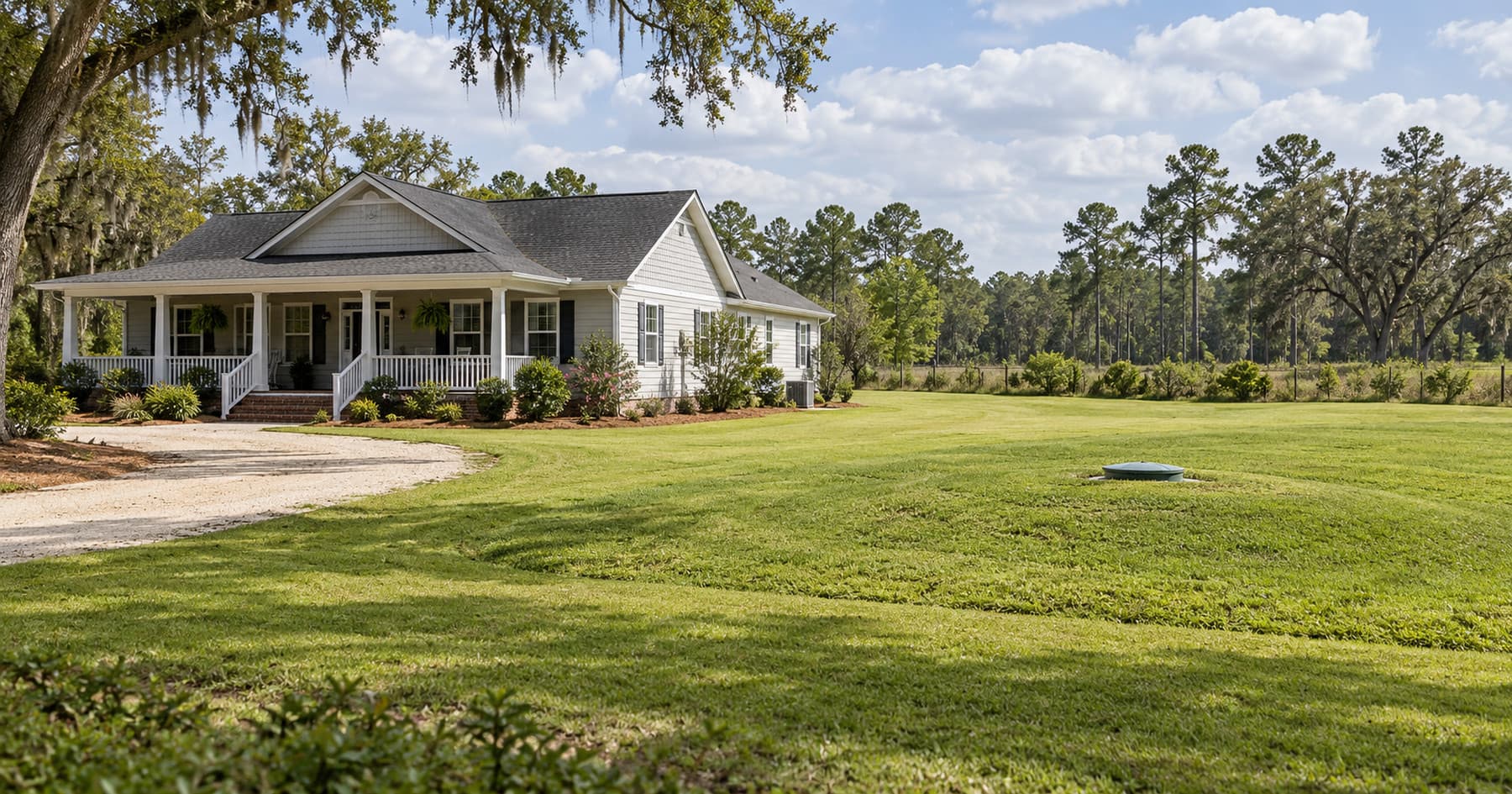
state-guideChesapeake bay septic rules virginia require 5-year pump-outs and enhanced setbacks in CBPA localities. Compliance guide.
state-guideVirginia septic system types include conventional, LPP, mound, drip, and aerobic units. Which one fits your property.
state-guideVirginia well water testing covers bacteria, nitrates, PFAS, and more. What to test, how often, and where to find labs.
state-guideVirginia septic regulations under 12VAC5-610 cover permits, DPOR licensing, HB 2671 inspections, and CBPA pump-out rules.
state-guideSouth carolina well water quality varies dramatically by region. Learn what contaminants to test for in the Upstate, Sandhills, Coastal Plain, and Lowcountry, plus where to get tested.
state-guideSouth carolina soil types septic system guide covering Piedmont clay, Sandhills sand, Coastal Plain, and Lowcountry conditions with costs.
state-guideSouth carolina septic regulations are governed by SCDES under R.61-56. Learn the DHEC to SCDES transition, licensing tiers, permits, and county-specific rules.
state-guideMichigan septic inspection requirements vary by county. Learn EGLE rules, Point of Sale inspections, Part 117 standards, and soil challenges.
state-guideGeorgia well water testing requirements explained — EPD rules, testing schedules, contaminants by region, and what buyers need at closing.
state-guidePennsylvania septic system regulations explained — Act 537, DEP permits, soil testing, setbacks, and county enforcement every PA homeowner must know.
state-guideExplore the types of septic systems in Pennsylvania: conventional, sand mound, ATU, drip, and more. Compare costs, requirements, and which type fits your property.
state-guideHow does a septic system work? Georgia-specific guide covering components, treatment process, DPH requirements, and what every GA homeowner should know.